
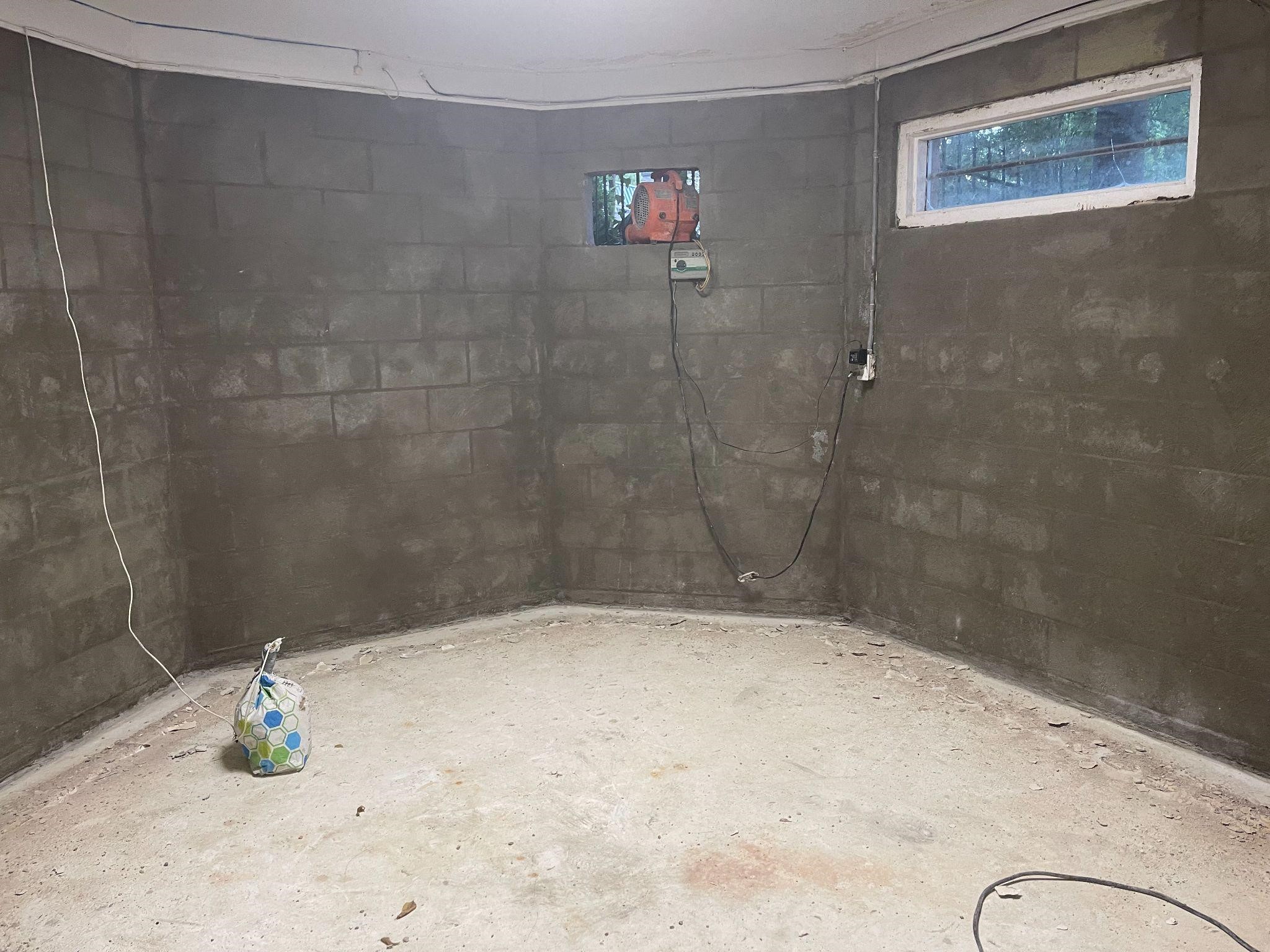
Concrete block basement construction has remained a reliable foundation method for decades. While newer materials and systems continue to enter the market, concrete masonry units, commonly called CMUs or concrete blocks, are still widely used due to their structural strength, availability and adaptability across climates.
This guide explains how concrete block basements are built, their advantages and limitations, how moisture control is managed, and why proper sealing plays a critical role in long-term durability. The goal is to provide homeowners, builders and property managers with practical knowledge to make informed decisions during basement construction or renovation.
Understanding Concrete Block Basement Construction
Concrete block basement construction involves assembling hollow or solid concrete masonry units with mortar to create foundation walls. These blocks are typically manufactured from cement, aggregate and water, then cured under controlled conditions to ensure consistency.
How Concrete Block Foundations Are Built
The construction process generally follows these steps:
- Excavation to the required depth
- Installation of footings below frost level
- Laying concrete blocks in staggered courses
- Reinforcing with steel rebar where required
- Filling block cores with grout for added strength
- Applying exterior waterproofing and drainage systems
Compared to poured concrete, block construction relies more on workmanship. Proper alignment, mortar quality and reinforcement placement all affect performance.
Why Concrete Blocks Are Still Used in Basement Construction
Despite advances in poured concrete and insulated panels, concrete block basement construction continues to be used for several practical reasons.
Structural Strength and Load Capacity
Concrete blocks provide strong compressive strength, making them suitable for supporting residential and light commercial structures. When reinforced with steel and grout, block walls can withstand lateral soil pressure and structural loads effectively.
Flexibility in Design and Repair
Block construction allows easier modifications during and after construction. Openings for utilities, windows or structural changes are often simpler to manage compared to monolithic poured walls.
Material Availability and Familiarity
Concrete blocks are widely available in most regions, and many contractors are experienced in their installation. This familiarity reduces construction delays and material sourcing issues.
Cost Considerations in Concrete Block Basement Construction
Cost is often a deciding factor when selecting foundation systems. Concrete block basement construction generally offers moderate upfront costs, though pricing varies based on region, labor and reinforcement requirements.
Factors That Influence Cost
Several variables affect overall expenses:
- Block size and quality
- Wall height and thickness
- Reinforcement requirements
- Labor skill and availability
- Waterproofing and drainage systems
While poured concrete foundations may reduce labor time, concrete block basements can be more cost-effective in regions where materials are locally sourced and skilled labor is readily available. To evaluate the most cost-efficient option for your home, contact us for expert guidance and a detailed cost assessment.
Long-Term Cost Implications
Initial construction cost should not be the only consideration. Maintenance, repairs and moisture management can impact long-term expenses. Proper concrete block sealing and drainage significantly reduce the risk of water damage and structural deterioration.
Moisture Control Challenges in Block Basements
Moisture intrusion is one of the most common concerns associated with concrete block basement construction. Concrete blocks are porous, which means they can absorb and transmit water if not properly protected.
Why Concrete Blocks Absorb Moisture
Concrete masonry units contain small capillaries that allow water to move through them via capillary action. Mortar joints can also become pathways for moisture if they crack or degrade over time.
Common Moisture-Related Issues
- Damp basement walls
- Efflorescence or white powder deposits
- Mold and mildew growth
- Peeling paint or finishes
- Structural weakening over time
These issues highlight the importance of proper waterproofing strategies during and after construction.
The Role of Concrete Block Sealing
Concrete block sealing is a critical step in protecting basement walls from moisture penetration. Sealing reduces water absorption, limits vapor transmission and improves overall durability.
Types of Concrete Block Sealing Methods
Different sealing approaches are used depending on location and moisture exposure.
Exterior Sealing
Exterior sealing is applied to the outside of basement walls before backfilling. It often includes:
- Waterproof membranes
- Bituminous coatings
- Drainage boards
Exterior methods are highly effective because they prevent water from reaching the wall surface.
Interior Sealing
Interior concrete block sealing focuses on controlling moisture that has already entered the wall. Common solutions include:
- Masonry sealers
- Cementitious waterproof coatings
- Vapor barriers
While interior sealing does not stop exterior water pressure, it can reduce dampness and improve indoor conditions.
Drainage Systems and Their Importance
Sealing alone is not enough to manage moisture. Proper drainage systems work alongside sealing to direct water away from basement walls.
Exterior Drainage Solutions
- Perimeter footing drains
- Gravel backfill
- Filter fabrics to prevent clogging
These systems relieve hydrostatic pressure and reduce water accumulation around foundation walls.
Interior Drainage Options
In cases where exterior access is limited, interior drainage channels and sump pumps may be installed to manage water intrusion effectively.
Comparing Concrete Block and Poured Concrete Basements
Understanding how concrete block basement construction compares to other methods helps clarify when it is the right choice.
| Key Feature | Concrete Block Basement | Poured Concrete Basement |
| Construction Process | Built using individual blocks bonded with mortar | Formed by pouring concrete in a single continuous structure |
| Resistance to Moisture | Moderate protection without additional sealing | Stronger resistance when properly installed |
| Ease of Repairs | Simpler to repair or make modifications | More difficult for structural changes or repairs |
| Labor Requirements | Labor-intensive process | Moderate labor involvement |
| Upfront Cost | Generally more budget-friendly | Typically higher initial investment |
| Crack Formation | Commonly appears along mortar joints | Usually occurs as random shrinkage cracks |
Each system has advantages, and selection depends on site conditions, budget and long-term goals.
When Concrete Block Basement Construction Is a Good Choice
Concrete block basements are particularly suitable in certain scenarios.
Soil and Site Conditions
Stable soils with good drainage reduce lateral pressure and moisture risks. In such environments, block construction performs reliably when combined with proper sealing.
Renovations and Additions
For basement additions or partial foundation work, concrete block construction allows easier integration with existing structures.
Skilled Local Labor Availability
Regions with experienced masonry contractors often see better outcomes with block construction due to improved workmanship.
Importance of Professional Basement Construction Services
While materials matter, installation quality is equally important. Basement construction services play a key role in ensuring structural integrity, moisture control and long-term performance.
Experienced professionals understand:
- Proper reinforcement placement
- Local building codes
- Drainage design principles
- Appropriate concrete block sealing methods
Maintenance Tips for Concrete Block Basements
Ongoing maintenance helps extend the lifespan of concrete block basement construction.
Regular Inspections
Check for:
- Cracks in mortar joints
- Signs of moisture intrusion
- Efflorescence buildup
Early detection prevents minor issues from becoming major repairs.
Resealing When Necessary
Concrete block sealing products degrade over time. Reapplying sealers every few years helps maintain moisture resistance.
Managing Surface Water
Ensure gutters, downspouts and grading direct water away from the foundation to minimize moisture exposure.
Environmental and Energy Considerations
Concrete block basements can be improved for energy efficiency through insulation and air sealing.
Insulating Block Walls
Rigid foam boards or insulated wall systems reduce heat loss and condensation risk.
Thermal Mass Benefits
Concrete blocks provide thermal mass that helps regulate indoor temperatures when properly insulated.
Final Thoughts
Concrete block basement construction remains a practical and durable foundation option when designed and built correctly. Its strength, adaptability and cost efficiency make it suitable for many residential applications. However, moisture control is essential, and proper concrete block sealing combined with effective drainage systems determines long-term performance.
By understanding construction techniques, cost considerations, and ongoing maintenance requirements, property owners can make informed decisions. With TB Kings expertise, these choices help safeguard structural integrity, prevent moisture-related damage, and maintain a comfortable, healthy indoor environment.
Frequently Asked Questions
Concrete block basement construction involves building foundation walls using concrete masonry units bonded with mortar and reinforced for strength and durability.
Not necessarily. When properly reinforced and sealed, concrete block foundations can provide excellent structural performance.
Concrete blocks are porous, allowing moisture to pass through if not protected with proper sealing and drainage systems.
With correct construction, sealing and maintenance, concrete block basements can last several decades.
Yes. Interior and exterior concrete block sealing methods can significantly improve moisture control in existing basements.
Professional basement construction services help ensure compliance with building codes, structural safety and effective moisture management, even for smaller projects.