
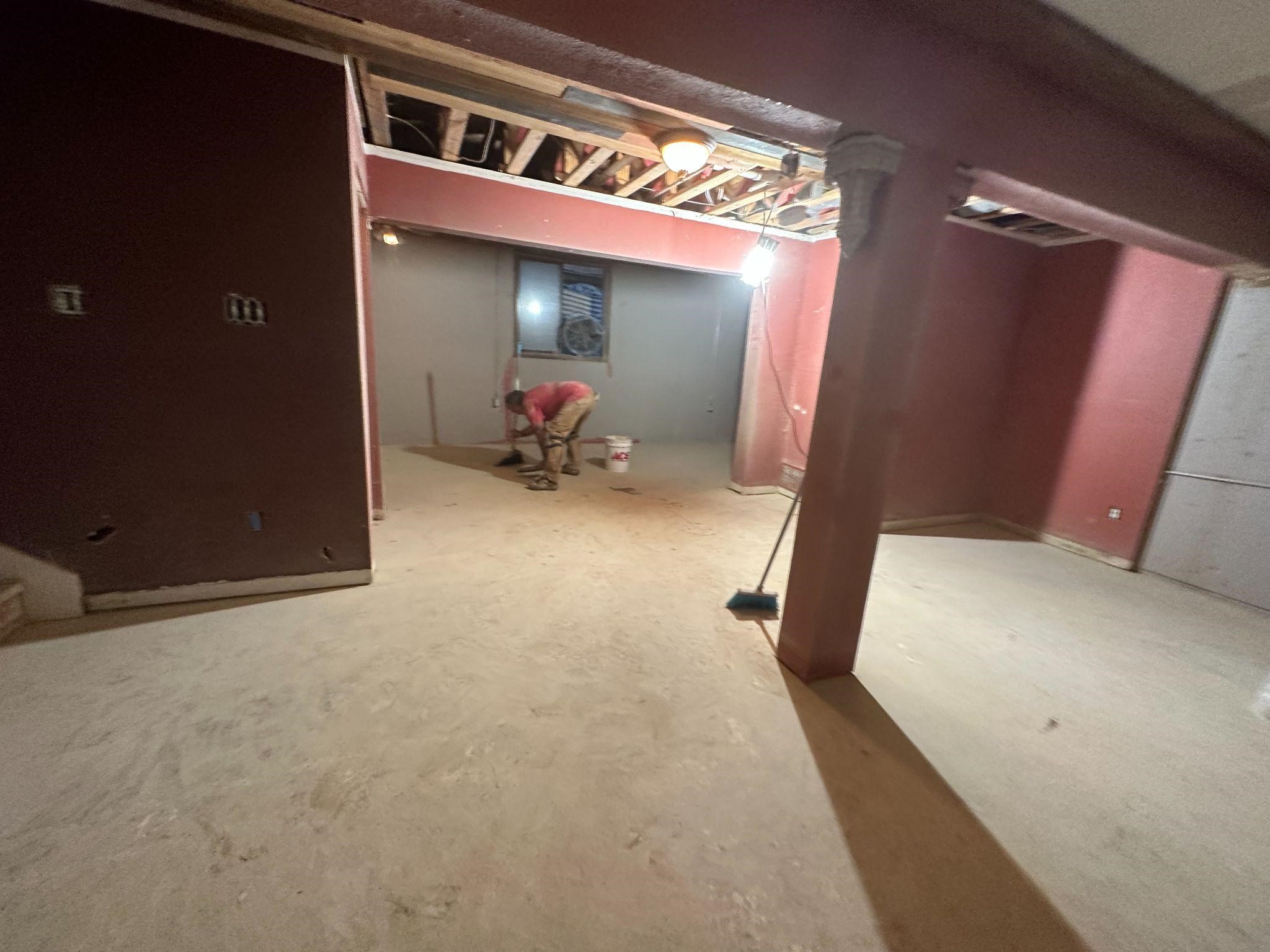
Basement water problems rarely start with dramatic flooding. In many homes, moisture intrusion develops slowly behind walls, beneath flooring, or along foundation joints. By the time visible damage appears, repairs can be complex and costly. This is why a basement waterproofing inspection plays a critical role in protecting the structural integrity and long term value of a property.
A professional inspection goes beyond surface level observations. It combines visual assessment, moisture testing, drainage evaluation, and structural analysis to identify both existing and potential water intrusion risks. This article explains how professionals conduct basement waterproofing inspection, what issues they look for, and why early detection matters.
Understanding Basement Waterproofing Inspection
A basement waterproofing inspection is a systematic evaluation of a basement and its surrounding conditions to determine how and where water may be entering or accumulating. Unlike a general home inspection, it focuses specifically on moisture pathways, foundation behavior, and drainage performance.
The purpose isn’t just to detect the presence of water, it’s to uncover the root cause behind it. At TB Kings, effective basement waterproofing starts with diagnosing the source of the problem, not just treating visible symptoms.
Why Basement Waterproofing Inspections Are Necessary
Water intrusion affects more than comfort. Even minor dampness can trigger a chain reaction of issues that worsen over time.
Common Risks of Undetected Basement Moisture
- Structural deterioration of concrete and masonry
- Mold and mildew growth affecting indoor air quality
- Damage to insulation, framing, and stored belongings
- Increased humidity levels throughout the home
- Reduced property value and higher repair costs
A thorough basement waterproofing inspection helps homeowners understand current conditions and prioritize corrective measures before damage escalates.
How Professionals Conduct a Basement Waterproofing Inspection
Professionals follow a structured process that examines both interior and exterior factors influencing basement moisture. Each step builds a clearer picture of how water behaves around the foundation.
Exterior Assessment: The First Line of Defense
Water problems often originate outside the home. Inspectors begin by evaluating how surface water interacts with the structure.
Grading and Soil Slope
Proper grading directs water away from the foundation. Inspectors check whether soil slopes toward or away from the building. Negative grading can allow rainwater to pool near foundation walls and seep inward.
Downspouts and Gutters
Roof drainage systems play a major role in basement waterproofing. During inspection, professionals verify that gutters are intact, downspouts are unobstructed, and discharge points extend far enough from the foundation.
Foundation Exposure and Cracks
Exposed foundation walls are carefully inspected for cracks, surface deterioration, or gaps that may allow water intrusion. Even minor hairline cracks can become entry points for moisture under hydrostatic pressure. For a detailed evaluation and repair options, contact us today.
Interior Inspection: Detecting Hidden Moisture
Once exterior conditions are reviewed, inspectors move indoors to identify less obvious issues.
Visual Signs of Water Intrusion
Professionals look for staining, peeling paint, efflorescence, warped materials, or discoloration on walls and floors. These indicators often suggest recurring moisture exposure.
Odors and Air Quality
A persistent musty smell may indicate long term dampness, even when surfaces appear dry. Inspectors assess ventilation and humidity levels to determine whether moisture is being trapped inside the basement.
Floor and Wall Junctions
The joint where basement walls meet the floor is a common entry point for water. Inspectors closely examine these areas for seepage marks or mineral deposits.
Moisture Testing and Diagnostic Tools
Visual checks alone are not enough to detect hidden issues. Professionals rely on specialized tools to measure moisture levels accurately.
Moisture Meters
Moisture meters help determine how much water is present within walls, floors, and other materials. Elevated readings may indicate concealed leaks or condensation problems.
Infrared Imaging
Thermal imaging cameras reveal temperature differences that often correspond with moisture presence. Cooler areas behind walls or under floors can signal water intrusion.
Humidity Measurements
High relative humidity levels can point to inadequate drainage, poor ventilation, or ongoing moisture entry even if standing water is not visible.
Drainage Systems Evaluation
A basement waterproofing inspection also examines how water is managed once it reaches the foundation.
Interior Drainage Systems
Inspectors check for the presence and condition of interior drains or channels designed to collect and redirect water. Blockages or improper installation can reduce effectiveness.
Sump Pump Performance
If a sump pump is installed, professionals assess its capacity, discharge line, and backup systems. A malfunctioning sump pump can quickly turn a manageable issue into a major problem.
Structural Assessment and Foundation Behavior
Water problems often interact with structural movement. Inspectors evaluate how the foundation responds to moisture pressure.
Wall Bowing or Cracking
Horizontal cracks or inward bowing may indicate excessive hydrostatic pressure from saturated soil. These conditions require careful assessment to prevent further structural compromise.
Settlement and Joint Movement
Changes in soil moisture can cause foundation settlement or expansion. Inspectors look for uneven floors, shifting joints, and other signs of movement linked to water exposure.
Common Hidden Issues Identified During Inspections
Many basement water problems remain unnoticed without professional evaluation.
| Underlying Issue | Detection Method | Possible Consequences |
| Hydrostatic pressure buildup | Analysis of moisture patterns and structural wall shifts | Cracking and structural deformation |
| Capillary moisture intrusion | Presence of efflorescence and surface dampness | Ongoing moisture issues |
| Condensation-related problems | Humidity level checks and airflow assessment | Mold and mildew growth |
| Obstructed drainage systems | Inspection for water accumulation and drainage performance | Risk of basement flooding |
| Minor foundation cracks | Detailed visual inspection and moisture meter testing | Gradual water seepage |
How Inspection Findings Inform Basement Waterproofing Solutions
A basement waterproofing inspection does not automatically result in a single solution. Instead, findings guide tailored recommendations based on specific conditions.
Matching Solutions to Causes
For example, surface drainage problems may require grading corrections, while subsurface pressure issues may call for drainage systems or wall treatments. Addressing only visible symptoms without understanding underlying causes can lead to recurring problems.
Preventive Maintenance Planning
Inspections also help homeowners plan preventive measures. Even if no immediate repairs are required, early identification of vulnerabilities allows for proactive maintenance.
The Role of Regular Inspections
Basement conditions change over time due to weather patterns, soil behavior, and home modifications. Periodic basement waterproofing inspections help track these changes.
Homes with a history of water intrusion or those located in areas with heavy rainfall or high water tables benefit from regular evaluations. Inspections are especially important before finishing a basement, as concealed moisture issues can damage new materials.
Internal Factors Homeowners Often Overlook
While exterior water management is critical, interior factors also influence moisture behavior.
HVAC and Ventilation
Improper airflow can trap humidity in basements. Inspectors assess whether ventilation systems contribute to condensation or moisture buildup.
Plumbing Leaks
Slow plumbing leaks can mimic groundwater intrusion. Inspectors differentiate between internal leaks and external water sources during a comprehensive basement waterproofing inspection.
When to Schedule a Basement Waterproofing Inspection
Certain signs indicate that an inspection may be necessary.
- Persistent dampness or musty odors
- Visible cracks or staining on basement walls
- Increased humidity levels
- Water pooling after rainfall
- Plans to remodel or finish the basement
Scheduling an inspection before these issues worsen can help prevent extensive damage.
Conclusion
A basement waterproofing inspection is a comprehensive process designed to uncover moisture issues that aren’t always visible to the naked eye. By evaluating exterior conditions, interior materials, drainage systems, and overall structural behavior, professionals assess how water interacts with the basement and identify potential risks that can affect long-term basement construction integrity.
Understanding this inspection process allows homeowners to take early action, protect the foundation, and maintain a healthier living environment. A proactive inspection approach supports durable basement construction and long-term waterproofing performance by preventing damage rather than reacting to it.
Frequently Asked Question
A basement waterproofing inspection typically includes exterior drainage evaluation, interior moisture assessment, structural review, and testing with diagnostic tools to identify hidden water issues.
The duration varies depending on basement size and complexity, but most inspections take one to two hours to complete thoroughly.
Yes. Hidden moisture can exist behind walls, under flooring, or within foundation materials. Professional inspections use tools to detect these concealed issues.
Yes. A home inspection provides a general overview, while a basement waterproofing inspection focuses specifically on moisture behavior, drainage, and foundation conditions.
Homes with previous water issues or located in moisture prone areas benefit from periodic inspections every few years or after major weather events.