
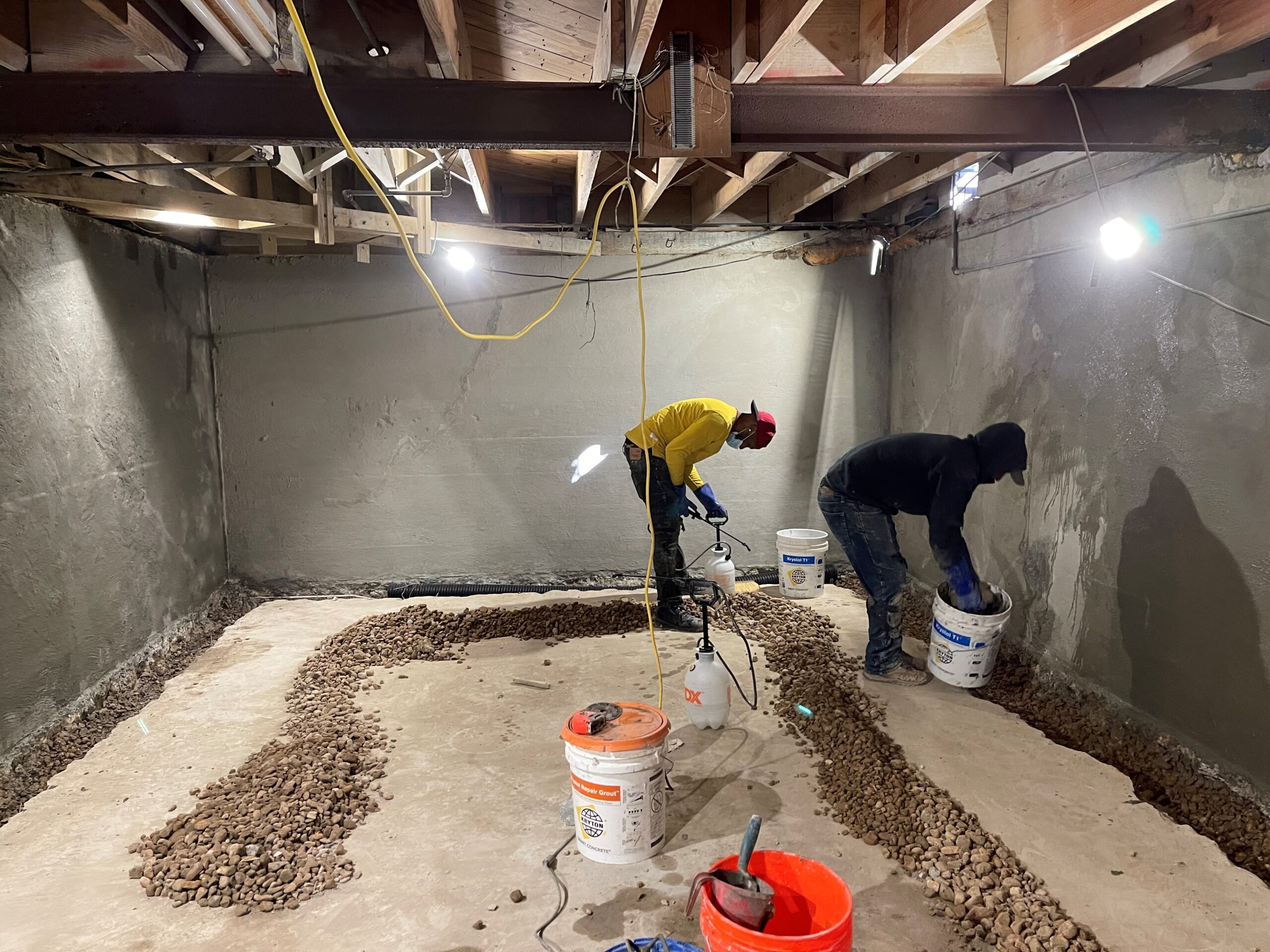
A well-planned basement can add functional living space, improve property value, and support the long-term structural health of a home. However, basements also face unique challenges such as moisture intrusion, soil pressure, and ventilation concerns. Without proper planning and construction, these issues can shorten a basement lifespan and create ongoing maintenance problems.
This guide explains how to plan and build a basement that lasts for decades. It covers site evaluation, design considerations, moisture management, construction methods, inspections, and long-term maintenance. The goal is to provide clear, practical information for homeowners considering new construction or a basement addition, especially in climates like Texas where soil and moisture conditions vary widely.
Understanding the Purpose of Your Basement
Before construction begins, it is important to define how the basement will be used. The intended function affects design decisions, structural requirements, and building systems.
Common basement uses
- Storage and utility space
- Finished living areas such as family rooms or bedrooms
- Home offices or hobby spaces
- Mechanical rooms for HVAC and plumbing systems
Each use has different requirements for ceiling height, insulation, electrical capacity, and ventilation. For example, a finished basement requires more stringent moisture control and indoor air quality measures than a basic storage space.
Clarifying the purpose early helps basement construction services in Texas design a structure that aligns with local building codes and long-term performance expectations.
Site Evaluation and Soil Conditions
The longevity of a basement starts with a thorough evaluation of the building site. Soil composition, drainage patterns, and groundwater levels directly influence foundation design.
Soil testing and analysis
Soil types in Texas range from expansive clay to sandy loam. Expansive clay soils can swell when wet and shrink during dry periods, placing stress on basement walls and foundations. A geotechnical soil test helps determine:
- Load-bearing capacity
- Drainage characteristics
- Potential for soil movement
These findings guide decisions on foundation depth, reinforcement, and drainage systems.
Topography and drainage
The slope of the land affects how water flows around the house. Proper grading should direct surface water away from the foundation. Even a well-built basement can suffer damage if surrounding soil allows water to collect near the walls.
Basement Design Principles for Long-Term Durability
Thoughtful design reduces the risk of structural and moisture-related problems over time.
Foundation type selection
Common foundation systems for basements include:
- Poured concrete walls
- Concrete masonry units
- Insulated concrete forms
Each system has advantages depending on soil conditions and climate. Poured concrete walls, for instance, provide fewer joints and can reduce the risk of water penetration.
Wall thickness and reinforcement
Adequate wall thickness and steel reinforcement help resist soil pressure and prevent cracking. This is particularly important in regions with expansive soils or high moisture variation.
Ceiling height planning
Planning sufficient ceiling height from the beginning ensures the basement remains functional if finished later. Accounting for flooring, insulation, and mechanical systems avoids clearance issues in the future.
Moisture Control and Drainage Systems
Moisture management is one of the most critical factors in building a basement that lasts for decades. Poor moisture control is a leading cause of basement deterioration.
Exterior waterproofing
Exterior waterproofing membranes and coatings create a barrier between the basement walls and the surrounding soil. These systems are most effective when installed during construction rather than retrofitted later.
Interior drainage solutions
Interior drainage systems, such as perimeter drains and sump pumps, manage water that enters the foundation area. These systems help relieve hydrostatic pressure and reduce the likelihood of leaks.
Importance of vapor barriers
Vapor barriers beneath basement floors and behind walls limit moisture migration from the soil into the living space. This reduces condensation and helps maintain indoor air quality.
Regular basement mold inspection is recommended even in well-designed basements, as mold growth can occur when moisture control systems fail or are improperly maintained.
Insulation and Energy Efficiency
Proper insulation improves comfort and protects the basement structure.
Insulation placement
Basement insulation can be installed on:
- Exterior walls
- Interior walls
- Under the slab
The choice depends on climate, building code requirements, and moisture considerations. Exterior insulation can help reduce thermal bridging, while interior insulation allows easier access for maintenance.
Energy efficiency benefits
An insulated basement helps stabilize indoor temperatures and reduce energy costs. It also minimizes condensation on cold surfaces, which contributes to long-term durability.
Ventilation and Indoor Air Quality
Basements often have limited natural ventilation, making air quality management essential.
Mechanical ventilation
Installing mechanical ventilation systems helps remove excess humidity and stale air. Dehumidifiers are commonly used in basements to maintain appropriate moisture levels.
Radon considerations
In some regions, radon gas can accumulate in basements. Testing and mitigation systems should be considered during construction to protect occupant health.
Working With Qualified Professionals
Building a durable basement requires coordination between multiple professionals.
Role of a basement addition contractor
A qualified basement addition contractor manages excavation, structural work, waterproofing, and coordination with other trades. Experience with local soil conditions and building codes is especially important.
Importance of inspections
Regular inspections during and after construction help confirm that structural components, waterproofing systems, and drainage solutions are installed correctly. Additionally, ongoing basement mold inspection plays a vital role in identifying moisture issues early and preventing costly long-term damage. For professional inspection support and expert advice, contact us to schedule a consultation.
Construction Phases That Impact Longevity
Each phase of construction contributes to the basement’s lifespan.
Excavation and preparation
Careful excavation minimizes soil disturbance and reduces the risk of future settlement. Proper preparation includes compacting the base and installing drainage layers.
Concrete placement and curing
Concrete strength depends on proper mixing, placement, and curing. Rushing this process can lead to cracks and reduced durability.
Backfilling and grading
Backfilling should be done with appropriate materials and compaction techniques. Final grading ensures water flows away from the foundation.
Long-Term Maintenance and Monitoring
Even a well-built basement requires periodic maintenance to remain durable.
Routine checks
Homeowners should regularly inspect:
- Foundation walls for cracks
- Drainage systems for blockages
- Sump pumps for proper operation
Managing humidity
Maintaining indoor humidity levels below recommended thresholds helps prevent mold and material deterioration. This is especially important in humid climates.
When to schedule professional inspections
Professional evaluations, including basement mold inspection, are advisable after major weather events or if signs of moisture appear.
Comparison of Key Basement Durability Factors
| Factor | Importance | Long-Term Benefits |
| Soil testing | Guides proper foundation design | Minimizes cracking and settlement |
| Waterproofing | Prevents moisture penetration | Avoids long-term structural damage |
| Drainage systems | Controls groundwater flow | Safeguards walls and flooring |
| Insulation | Regulates temperature and humidity | Enhances comfort and lifespan |
| Ventilation | Supports healthy airflow | Lowers the risk of mold growth |
Planning for Future Adaptability
A basement built with adaptability in mind can serve changing needs over decades.
Structural allowances
Designing for additional load capacity allows future finishing or remodeling without major structural changes.
Utility access
Placing utilities where they remain accessible simplifies maintenance and upgrades.
Conclusion
Planning and building a basement that lasts for decades requires careful consideration of site conditions, smart design principles, effective moisture management, and high-quality construction. From soil testing and drainage planning to proper insulation and ventilation, every decision directly impacts long-term performance and durability.
Working with experienced professionals like TB Kings, specialists in basement construction services in Texas, helps ensure the basement meets both structural and environmental demands. A qualified basement addition contractor, along with regular inspections such as basement mold inspection, plays a key role in maintaining durability, preventing moisture issues, and supporting healthy indoor air quality.
Frequently Asked Questions
How long should a properly built basement last?
With proper design, construction, and maintenance, a basement can last as long as the home itself, often 60 years or more.
Why is soil testing important before building a basement?
Soil testing identifies load-bearing capacity and moisture behavior, which helps prevent foundation movement and cracking.
How often should a basement mold inspection be performed?
Inspections are recommended annually or whenever signs of moisture, odor, or water intrusion appear.
Can an existing home add a basement later?
Yes, but adding a basement to an existing structure is complex and requires an experienced basement addition contractor to manage excavation and structural support.
What is the most common cause of basement failure?
Poor moisture control is a leading cause, often due to inadequate waterproofing or drainage systems.