
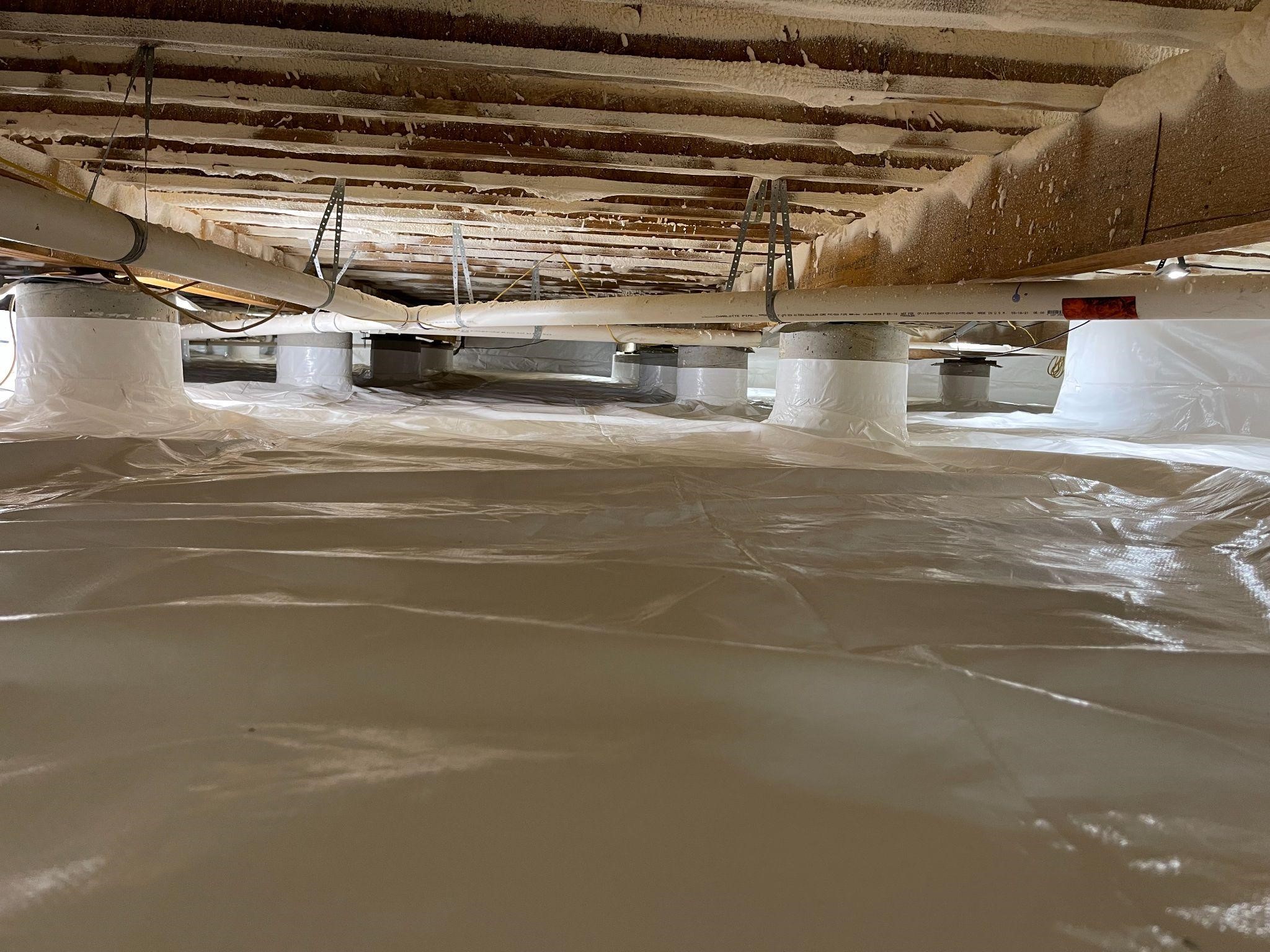
Many homes rely on crawl spaces as part of their structural foundation. While these areas are often hidden from view, their condition can significantly influence indoor air quality, moisture control, and overall energy efficiency. When a crawl space is exposed to humidity, groundwater, and temperature fluctuations, it may develop mold growth, wood rot, and insulation problems.
One widely recommended solution for these concerns is crawl space encapsulation. This process involves sealing and insulating the crawl space to create a controlled environment that prevents moisture buildup and improves the health of the home.
Along with crawl space sealing, encapsulation helps maintain stable humidity levels and reduces the likelihood of mold development. In many cases, improving the crawl space environment also supports broader home improvement efforts such as home basement remodeling, where moisture control is essential for maintaining structural integrity.
This guide explains how crawl space encapsulation works, why it is important for mold prevention and insulation, and how it contributes to healthier indoor air quality.
What Is Crawl Space Encapsulation?
Crawl space encapsulation is a moisture control method that seals the crawl space from outside air, soil moisture, and environmental humidity. The process typically involves installing heavy-duty vapor barriers, sealing vents, and improving insulation.
The goal is to convert an open crawl space into a controlled environment that minimizes moisture intrusion and temperature fluctuations.
Homeowners interested in learning more about professional encapsulation systems can review detailed service information about crawl space encapsulation.
Key Components of Crawl Space Encapsulation
A properly encapsulated crawl space generally includes the following elements:
- A durable vapor barrier covering the floor and walls
- Sealed vents and air gaps
- Moisture control systems such as dehumidifiers
- Insulation improvements
- Drainage solutions if groundwater is present
Each component works together to maintain stable humidity levels within the crawl space.
Why Crawl Spaces Develop Moisture Problems
Crawl spaces are particularly vulnerable to moisture because they are located close to the ground. Soil moisture, groundwater, and humid air can easily enter the space if it is not properly sealed.
Ground Moisture
Soil beneath a house naturally contains moisture. Without a vapor barrier, this moisture evaporates into the crawl space and increases humidity levels.
Outdoor Air Intrusion
Many traditional crawl spaces include vents designed to improve airflow. However, these vents often allow humid outdoor air to enter, which can increase condensation inside the crawl space.
Poor Drainage Around the Foundation
Improper drainage systems can direct water toward the foundation of the house. When groundwater accumulates around the structure, it can seep into the crawl space and raise moisture levels.
Temperature Differences
Temperature changes between the crawl space and outdoor air can create condensation on surfaces such as wooden beams and insulation materials. Over time, this moisture can lead to mold growth.
The Role of Crawl Space Sealing in Moisture Control
Crawl space sealing is a key component of encapsulation and plays an important role in preventing moisture intrusion. Sealing involves closing gaps, vents, and openings where outside air or water may enter.
Common Areas That Require Sealing
- Foundation vents
- Utility penetrations
- Gaps around pipes and wiring
- Cracks in the foundation walls
- Access doors and crawl space openings
By sealing these entry points, the crawl space becomes less vulnerable to humidity and external moisture.
Sealing alone may not fully control moisture, but when combined with vapor barriers and insulation, it creates a more stable environment within the crawl space.
How Crawl Space Encapsulation Helps Prevent Mold
Mold thrives in environments that contain three conditions: moisture, organic material, and moderate temperatures. Crawl spaces often provide all three.
Encapsulation reduces these conditions by controlling humidity and limiting moisture exposure.
Reduced Humidity Levels
Encapsulation systems prevent humid air from entering the crawl space. Lower humidity levels reduce the likelihood of mold spores growing on wooden structures.
Protection of Structural Materials
Wooden beams, joists, and subflooring materials are particularly vulnerable to moisture damage. By controlling moisture, encapsulation helps protect these structural components.
Improved Air Circulation
Encapsulation systems often incorporate controlled ventilation or dehumidification, which helps maintain balanced air conditions.
These improvements make crawl spaces less suitable environments for mold growth.
Benefits of Crawl Space Encapsulation for Insulation
Encapsulation not only prevents moisture problems but also contributes to improved insulation performance throughout the home.
Improved Thermal Efficiency
When crawl spaces are exposed to outdoor air, temperature fluctuations can affect floors and interior living spaces. Encapsulation helps maintain more consistent temperatures beneath the home.
Reduced Energy Loss
Air leaks from crawl spaces can allow conditioned air from heating and cooling systems to escape. Sealing and insulating the crawl space reduces this energy loss.
Better Performance of Existing Insulation
Moisture can reduce the effectiveness of insulation materials. Encapsulation protects insulation from humidity, allowing it to function more efficiently.
Impact on Indoor Air Quality
Many homeowners are unaware that the condition of their crawl space can directly affect the air inside the house.
Research has shown that a significant portion of indoor air originates from lower areas of the home, including basements and crawl spaces.
How Crawl Space Conditions Affect Air Quality
If the crawl space contains mold, moisture, or dust, these particles can travel upward into the living areas through air circulation.
Encapsulation helps improve air quality by:
- Reducing mold growth
- Limiting dust and allergens
- Controlling humidity levels
- Preventing musty odors from entering the home
These improvements can create a healthier indoor environment for occupants.
Crawl Space Encapsulation vs Traditional Ventilated Crawl Spaces
Traditional crawl spaces were often designed with vents that allowed outdoor air to circulate beneath the house. However, modern building science has shown that this approach can introduce more moisture than it removes.
Comparison of Crawl Space Systems
| Feature | Ventilated Crawl Space | Encapsulated Crawl Space |
| Moisture Control | Limited ability to manage moisture | Effective and consistent moisture protection |
| Air Quality | Prone to outside pollutants and allergens | Cleaner air with reduced humidity and allergens |
| Energy Efficiency | Higher heat and cooling loss | Enhanced insulation and energy savings |
| Mold Risk | Increased risk, especially in humid conditions | Significantly reduced with proper sealing |
| Structural Protection | Minimal protection against moisture damage | Improved protection for wood and foundation |
Encapsulation provides more reliable moisture control compared to traditional ventilated crawl spaces.
Crawl Space Improvements and Home Basement Remodeling
Moisture control in crawl spaces often supports other structural improvements within the home. For example, homeowners planning home basement remodeling projects typically need to address foundation moisture before finishing basement areas.
Encapsulation and waterproofing solutions help create a stable environment that supports renovation work.
Homeowners exploring expansion or structural improvements can review information about basement additions to understand how moisture management contributes to successful remodeling projects.
By controlling moisture in lower areas of the home, encapsulation can help protect remodeling investments and maintain long-term structural stability.
Signs That a Crawl Space May Need Encapsulation
Homeowners may not visit their crawl space frequently, but several warning signs may indicate that moisture problems are developing.
Common Indicators
- Persistent musty odors inside the home
- Visible mold on crawl space beams or insulation
- Condensation on pipes or wooden surfaces
- Sagging or damp insulation materials
- Increased indoor humidity levels
If these symptoms appear, a crawl space inspection may help determine whether encapsulation or sealing solutions are necessary.
Maintenance Considerations After Encapsulation
Although encapsulation systems are designed to provide long-term protection, periodic maintenance helps ensure they continue functioning effectively.
Recommended Maintenance Practices
- Inspect the vapor barrier for damage
- Check drainage systems for blockages
- Monitor humidity levels periodically
- Ensure crawl space access doors remain sealed
Routine inspections can help detect minor issues before they become major moisture problems.
Homeowners seeking professional assistance with crawl space inspections or moisture control solutions can request guidance through the contact page.
Long-Term Advantages of Crawl Space Encapsulation
Encapsulation can provide several long-term benefits when installed correctly.
Structural Protection
Reducing moisture exposure helps protect wooden framing, floor joists, and subfloor materials from decay and structural damage.
Healthier Indoor Environment
Controlling mold growth and humidity levels can improve indoor air quality and reduce allergens.
Increased Energy Efficiency
Encapsulation reduces air leakage and helps heating and cooling systems maintain consistent temperatures inside the home.
Protection of Remodeling Investments
When crawl space conditions are stable, other projects such as home basement remodeling are less likely to experience moisture-related problems.
Conclusion
Crawl spaces play a larger role in home health and structural stability than many homeowners realize. When these areas are exposed to moisture and outdoor air, they can become sources of mold, humidity, and energy loss.
Through crawl space encapsulation and proper crawl space sealing, homeowners can create a controlled environment that protects structural materials, improves insulation performance, and enhances indoor air quality.
Encapsulation systems help reduce mold risk, stabilize humidity levels, and support long-term home improvements such as home basement remodeling. By addressing crawl space conditions early, homeowners can maintain healthier living spaces and protect their property from moisture-related damage.
Frequently Asked Questions
Crawl space encapsulation is a moisture control method that seals the crawl space with vapor barriers, insulation, and sealed vents to prevent humidity and water intrusion.
Crawl space sealing blocks outside air and moisture from entering the space. When combined with vapor barriers and insulation, it reduces humidity levels that allow mold to grow.
Yes. Encapsulation helps reduce mold, dust, and moisture that may circulate from the crawl space into the home’s living areas.
Encapsulation can help stabilize temperatures beneath the home and reduce air leaks, which may improve heating and cooling efficiency.
Addressing moisture issues in crawl spaces or basements is often recommended before major renovation projects such as home basement remodeling, as it helps protect finished spaces from future water damage.