
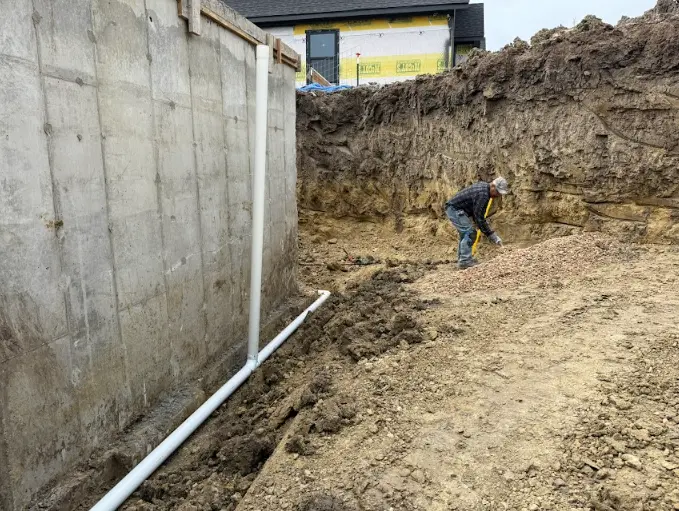
Square footage is one of the most valuable things a homeowner can add and one of the most expensive when it means building outward or upward. For small homes in Texas where the lot doesn’t allow a traditional addition and the budget doesn’t support a second story, a basement addition is often the most practical and cost-effective way to meaningfully expand the livable space in the home.
Done right, a basement addition doesn’t just add square footage. It adds a category of space that functions differently from anything else in the home quieter, more temperature-stable, and more flexible in how it can be used. And unlike many home improvement projects, it adds real, measurable value that shows up at resale.
This guide covers everything small-home owners in Texas need to know before pursuing a basement addition from design and planning through permits, costs, and the return on investment they can expect.
Why Small Homes Benefit Most from Basement Additions?
The Square Footage Problem
Small homes face a specific challenge: the need for more space exists, but the conventional solutions room additions, garage conversions, second-story builds are either impossible given the lot, prohibitively expensive, or both. A basement addition works around these constraints entirely by going down rather than out.
For a home sitting on a modest lot with no room to expand horizontally, adding a basement can effectively double the functional footprint of the property without changing the home’s exterior profile or consuming outdoor space. That’s a meaningful solution to a problem that most other approaches can’t solve.
What Basement Space Can Become?
The flexibility of below-grade space is one of its most underappreciated qualities. A basement addition in a small home can become:
- A dedicated home office away from the noise of the main living areas
- A bedroom or guest suite that gives the home an additional sleeping space
- A family room or media room that frees up space on the main floor
- A home gym, workshop, or hobby room
- A rental unit that generates income and improves the home’s financial profile
- Storage space that clears the rest of the home of clutter
For families who have outgrown their home but aren’t ready to move or can’t afford to in the current market, a basement addition provides the relief that more space brings without the disruption and cost of relocation.
Design Considerations for Small Home Basements
Space Planning That Works with the Home Above
Basement additions for small homes require more careful space planning than larger projects precisely because every square foot matters. The layout of the basement needs to work in coordination with the home above it, accounting for structural load points, mechanical systems, staircase placement, and how the new space will actually be accessed and used.
A staircase that makes practical sense — not too steep and not consuming too much floor area on either level — is one of the first design challenges to solve. In small homes, the location of the stair entry point affects how both the basement and the main floor function, so it deserves careful thought before anything else is finalized.
Ceiling Height and Natural Light
Ceiling height in a basement addition significantly affects how the finished space feels. A minimum of eight feet is the standard recommendation for habitable basement space. Lower ceilings create a feeling of compression that undermines the quality of the space regardless of how well it’s finished.
Natural light is harder to achieve in below-grade space but worth pursuing wherever possible. Window wells that allow full-size egress windows, light tubes, and strategic placement of artificial lighting can all meaningfully improve the quality of a basement that would otherwise feel dark and underground.
Moisture Control from the Start
Texas soil conditions and drainage patterns make moisture management a foundational consideration in any basement addition, not an afterthought. A basement addition that isn’t properly waterproofed from the outset will develop moisture problems that are far more expensive to address after the fact than to prevent during construction.
Permits and the Process in Texas
What Permits Are Required?
Basement additions in Texas require building permits, and in most jurisdictions they also trigger inspections at key stages of the construction process including foundation, framing, mechanical, electrical, plumbing, and final occupancy.
The Soil Assessment Step
Texas has a notably diverse range of soil conditions. Expansive clay soils in particular are common across the Dallas-Fort Worth area and other parts of the state, and they behave differently under load than soils in other parts of the country.
What Does a Basement Addition Cost in Texas?
Cost Ranges to Expect
Basement addition costs vary significantly based on size, soil conditions, finishing requirements, and mechanical systems.
- Unfinished basement addition typically ranges from $30,000 to $75,000 depending on size and site conditions.
- Finished basement addition with drywall, flooring, lighting, and HVAC typically ranges from $75,000 to $150,000 or more.
- Additions with plumbing for bathrooms or kitchenettes add cost but also increase functionality and resale value.
Factors That Affect Cost
Several variables affect basement addition pricing:
- Soil conditions and excavation complexity
- Existing foundation type and condition
- Staircase placement and structural modifications
- Ceiling height requirements
- Waterproofing system specifications
- Finishing materials
- Mechanical, electrical, and plumbing scope
Return on Investment What to Expect at Resale
How Basement Additions Affect Home Value?
The return on investment for a basement addition is consistently among the strongest of any home improvement project.
The Rental Income Option
A properly permitted finished basement with a separate entrance can create rental income opportunities and improve the overall financial value of the property.
Transferable Warranty Protection
TB Kings offers a lifetime transferable warranty on its basement work, giving future homeowners confidence in the condition and quality of the below-grade space.
Getting Started with TB Kings
TB Kings has been serving Texas homeowners with expert basement building and construction services for years, with a team that brings over 60 years of combined experience to every project.
Frequently Asked Questions
Most homes can accommodate a basement addition, but site-specific factors soil conditions, existing foundation type, lot drainage, and proximity to utilities affect feasibility and cost. A professional site assessment is the right first step before making any decisions. TB Kings evaluates these factors as part of the consultation process.
Timeline varies based on scope and site conditions. An unfinished basement addition typically takes eight to sixteen weeks. A fully finished addition with plumbing and mechanical work takes longer. Your contractor should provide a realistic timeline as part of the project estimate.
Not necessarily in many cases homeowners remain in the home during construction, though there will be disruption, noise, and restricted access to certain areas. The extent of disruption depends on how the staircase entry is configured and how the work is sequenced. Your contractor should discuss this as part of the planning process.
Accordion Content
Adding conditioned square footage typically requires evaluating whether your existing HVAC system has the capacity to serve the additional space. In some cases a separate unit or zone for the basement is the better approach. This is something a qualified contractor addresses during the design phase.
A lifetime transferable warranty means the warranty on the work passes to the next owner when the home is sold. This is significant at resale because it gives buyers confidence in the condition of the below-grade space a feature that most basement contractors in Texas don’t offer. TB Kings is the only basement company in the state that provides this warranty, which is a meaningful differentiator when buyers are evaluating the home.