
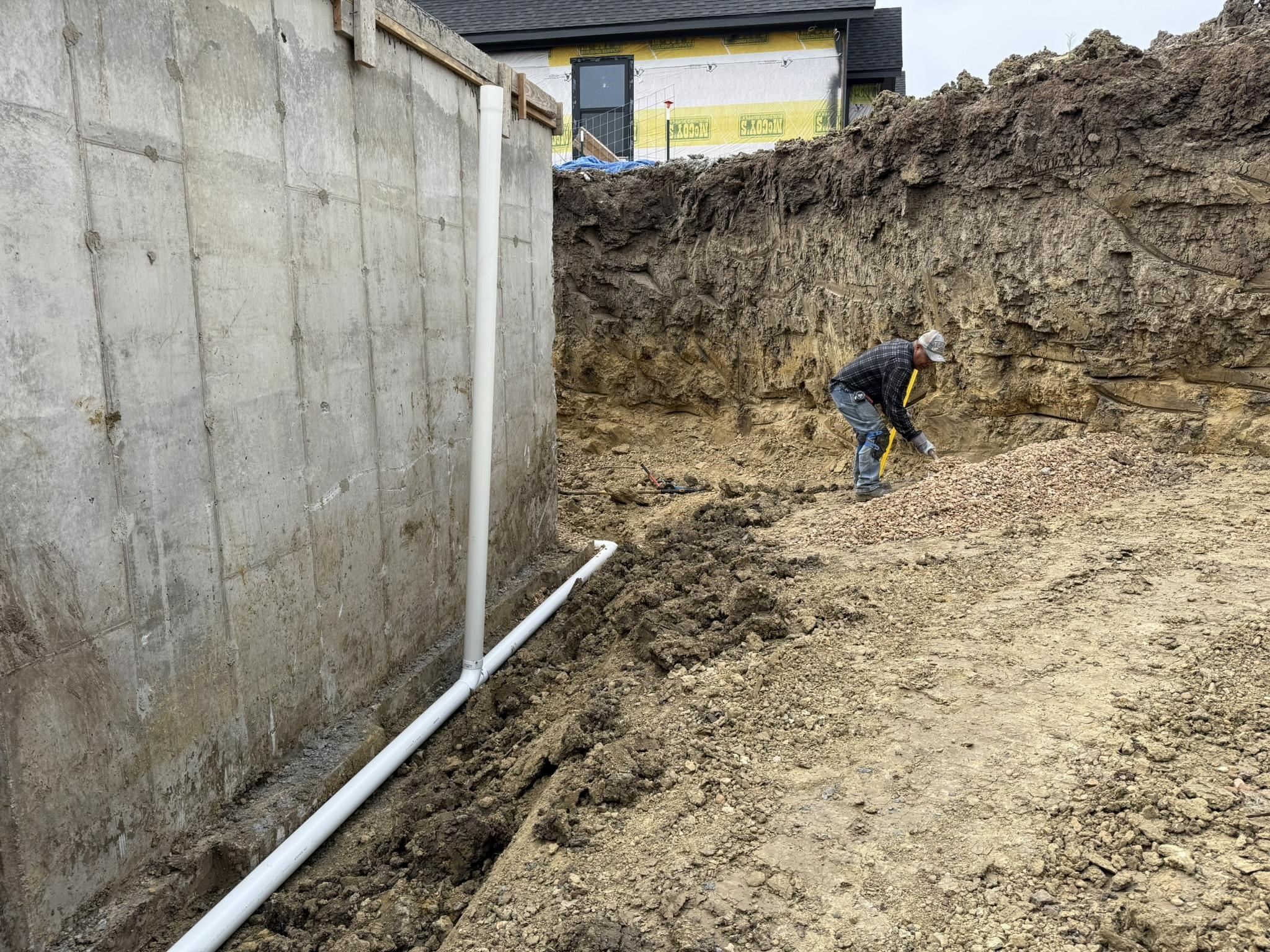
Effective drainage is one of the most important elements in protecting a property from long-term structural damage. In texas, where heavy rainfall, clay-rich soil, and flooding are common, poor drainage can lead to soil movement, erosion, and moisture intrusion. These issues often result in the need for residential foundation repair and professional basement waterproofing services.
Two of the most common solutions for surface and subsurface water management are grading and french drain installation in texas. Both methods serve distinct purposes, and understanding their differences is essential before selecting the right drainage approach for a texas property.
This comprehensive guide explains how each method works, where it performs best, and which option offers long-term protection for your home.
Understanding Texas’s Drainage Challenges
Texas’s unique climate and soil conditions contribute to persistent drainage problems. Key factors include:
1. Highly Expansive Clay Soil
Texas soil expands when wet and shrinks when dry. This movement can shift concrete slabs, pier-and-beam foundations, and retaining walls. Poor drainage worsens this cycle, often resulting in the need for major structural repairs.
2. Intense and Frequent Rainfall
Seasonal storms bring sudden downpours, leading to pooling, standing water, and erosion. Without proper grading or a French drain system, water tends to settle around the base of a home.
3. Low-Lying Topography
Many neighborhoods sit near bayous or flat terrains, causing slow runoff. Homes on level lots often require engineered drainage solutions to prevent water from collecting near the foundation.
What Is Grading?
Grading refers to reshaping the ground around a home to create a natural slope that directs water away from the structure. It is one of the oldest and simplest methods of exterior water management.
How Grading Works
Property grading involves adjusting soil levels so that the landscape slopes downward away from the home. The goal is to achieve a minimum slope that encourages water to flow naturally toward a drainage point, street, swale, or stormwater system.
Benefits of Grading
- Improves natural water runoff
- Reduces surface pooling and erosion
- Cost-effective compared to subsurface systems
- Long-lasting with proper maintenance
Limitations of Grading
- Ineffective in very flat or low-lying lots
- Cannot manage underground water intrusion
- Requires space to create a proper slope
- May require periodic soil addition if erosion occurs
Grading is typically most effective when the drainage issue is primarily due to improper lot leveling rather than groundwater buildup.
What Is a French Drain?
A French drain is a subsurface drainage system designed to redirect water away from an area through perforated pipes buried underground.
How French Drain System Installation Works
A trench is dug and lined with fabric, filled with gravel, and fitted with a perforated pipe. Water enters the pipe and flows away from the property to a suitable discharge point.
This method is particularly useful for homes experiencing persistent moisture near the foundation, wet basements, or waterlogged yards.
Benefits of a French Drain
- Controls both surface and subsurface water
- Reduces hydrostatic pressure on basement walls
- Helps prevent foundation shifting and cracking
- Works in areas where grading alone cannot resolve drainage issues
Limitations of a French Drain
- Installation requires excavation
- Higher cost than grading
- May require periodic cleaning to prevent clogging
- Must be properly engineered to avoid redirecting water toward neighboring properties
French drains are often used alongside basement waterproofing services for a comprehensive moisture management plan.
Grading vs French Drain: A Side-by-Side Comparison
The table below compares both drainage solutions based on performance, cost, suitability, and maintenance.
| Feature | Grading | French Drain Installation |
| Primary Function | Improves surface runoff | Redirects subsurface water |
| Best For | Poor slope, surface pooling | Persistent water near foundation |
| Installation Cost | Lower | Higher |
| Maintenance | Low | Moderate |
| Soil Compatibility | Requires workable soil | Suitable for most soil types |
| Space Requirement | Needs yard space for slope | Works even in confined spaces |
| Longevity | Long-term with soil upkeep | Long-term with proper cleaning |
| Foundation Protection | Moderate | High |
Which Option Is Best for Texas Homes?
The right choice depends on the source and severity of your drainage problem.
When Grading Is the Better Choice
Grading is typically recommended when:
- The yard does not slope away from the house
- Surface water consistently pools after rainfall
- The lot has enough space for slope correction
- There are no signs of subsurface water intrusion
Correcting grading can solve many issues before they become severe enough to require residential foundation repair.
When a French Drain System Is the Better Solution
French drain installation is ideal when:
- Water remains along the foundation despite proper grading
- The home sits on a flat, low, or compact lot
- Moisture is entering the basement or crawl space
- Soil saturation is leading to structural movement
For homes in Texas experiencing chronic moisture around the foundation, a French drain is often the more dependable long-term solution.
Can Grading and French Drains Work Together?
In many cases, the most effective approach is a combination of both solutions. Integrating proper grading with a French drain system ensures that:
- Surface water flows away efficiently
- Subsurface water is redirected before it reaches the foundation
- Hydrostatic pressure against basement walls is reduced
This combined method is frequently recommended by drainage and foundation repair specialists.
Why Proper Drainage Matters for Long-Term Structural Health
Ignoring drainage issues can cause widespread damage over time, including:
- Soil erosion and landscape deterioration
- Mold growth and indoor moisture intrusion
- Pressure cracks in walls and floors
- Foundation settling requiring major repairs
Homeowners can prevent these problems by addressing drainage concerns early and investing in solutions that suit the property’s specific conditions.
For foundational solutions and professional assessment, homeowners can learn more about drainage-related structural issues through TB Kings.
Drainage Affects Residential Foundation Repair
When water consistently pools near a foundation, it causes soil to expand. As the soil dries, it contracts. This repetitive cycle leads to shifting, cracking, and weakening of structural components. Repair costs become significantly higher when drainage problems go unresolved.
Professional contractors often recommend installing a French drain system or correcting grading before or during residential foundation repair to prevent future damage.
Drainage Supports Basement Waterproofing
Basements are particularly vulnerable to hydrostatic pressure. When saturated soil pushes moisture against basement walls, water finds its way through cracks, joints, and porous concrete.
Incorporating grading, French drains, or both can reduce the need for extensive basement waterproofing services, or support existing systems by decreasing moisture levels around the foundation.
Professional Assessment: How Experts Determine the Right Solution
A specialist evaluates:
- Soil type and compaction
- Yard slope and site elevation
- Moisture levels around the foundation
- Signs of structural movement
- Water entry points in basements or crawl spaces
Experts perform measurements and often recommend a combination of grading and French drain installation for the most thorough protection.
DIY Considerations and When to Avoid Them
While minor grading corrections can be attempted by homeowners, both grading and French drain system installation require technical skill to ensure proper direction of water flow.
Avoid DIY solutions if:
- Water is entering the home
- Soil movement has already occurred
- The foundation shows cracks or shifts
- The yard is near a property line or shared drainage area
If you’re experiencing drainage issues or unsure whether grading or a French drain is right for your property, contact us today for a professional assessment. Our team can guide you with the right solution to protect your home and property.
FAQ
1. Does grading completely solve drainage problems?
Grading solves many surface water issues, but it may not resolve underground water intrusion or hydrostatic pressure. In some cases, grading works best when paired with a French drain.
2. How long does French drain installation take?
A typical residential French drain system can be installed in several days, depending on the complexity of the site, soil conditions, and length of trenching.
3. Can a French drain prevent foundation problems?
Yes. By lowering water saturation near the foundation, a French drain reduces soil movement, helping prevent shifting and reducing the likelihood of foundation damage.
4. Does every yard need both grading and a French drain?
Not necessarily. Some properties benefit from grading alone, while others require subsurface systems. A professional inspection determines the best approach.
5. How do I know if I need basement waterproofing services?
Signs include musty odors, wall dampness, visible water seepage, mold growth, or peeling paint. A waterproofing specialist can determine if a French drain or alternative solution is needed.
Conclusion
Both grading and French drain installation play vital roles in protecting texas homes from drainage-related damage. Grading addresses surface-level issues by improving natural runoff, while French drains offer reliable control of subsurface water and hydrostatic pressure.
For homeowners facing recurring moisture problems, drainage improvements are a crucial part of preventing foundation damage and reducing the need for costly structural repairs. Investing in the right system helps protect the long-term stability of your home.
If you need professional insight into drainage solutions, structural concerns, or waterproofing strategies, you can explore expert resources and services at TB Kings.