
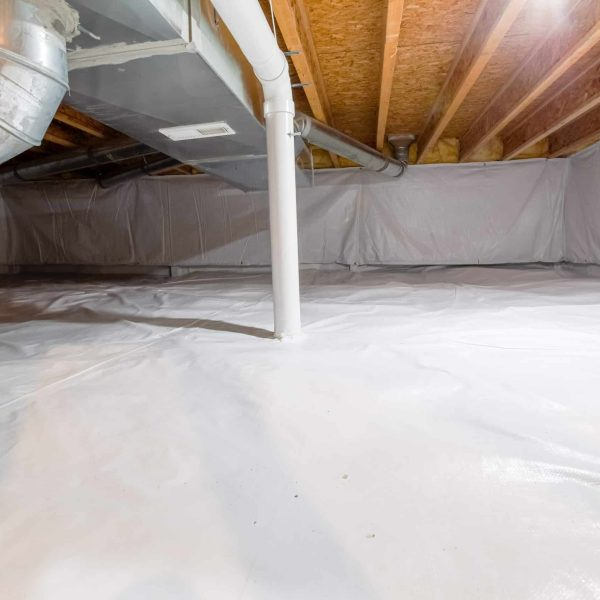
Crawl spaces are a common feature in many homes across Texas. These underfloor areas, typically found in homes with raised foundations, serve as a space for plumbing, wiring, and ventilation. However, in the humid climate of Texas, crawl spaces can become breeding grounds for mold, mildew, pests, and structural issues. That’s why TB kings recommends professional crawl space encapsulation as a reliable solution. In this blog, we’ll explain why encapsulation is crucial for Texas homes, how the process works, and the long-term benefits it offers.
Understanding Crawl Space Encapsulation
What is Crawl Space Encapsulation?
Crawl space encapsulation is a process that involves sealing off the crawl space to prevent moisture, air, and pests from entering. The primary components of encapsulation include a vapor barrier, dehumidification systems, insulation, and sealing of vents and gaps. These elements work together to create a dry, clean, and controlled environment beneath the home.
How It Works in a Texas Climate
In Texas, humidity levels often rise above 60% during the summer months, creating a perfect environment for moisture to accumulate under homes. Encapsulation addresses this issue by sealing off the crawl space from the outside environment. A vapor barrier made of heavy-duty plastic or polyethylene is placed on the floor and walls, while dehumidifiers and insulation ensure temperature control and reduce excess moisture. This system maintains a consistent and controlled environment, even during the high-humidity days of summer.
Common Crawl Space Problems Without Encapsulation
Without proper encapsulation, crawl spaces can suffer from several problems, including:
- Excess Moisture: Moisture from the ground rises into the crawl space, creating an environment conducive to mold and mildew growth.
- Mold and Mildew: Excess moisture can lead to fungal growth, which can spread through the rest of the home, affecting both the structure and indoor air quality.
- Pest Infestation: Rodents, insects, and other pests find crawl spaces to be ideal habitats. Moisture encourages these pests to enter and nest in the space beneath your home.
- Poor Air Quality: Humid, mold-infested air can rise into your living spaces, leading to indoor air quality issues such as musty odors and respiratory problems.
The Unique Challenges of Texas Humidity
High Moisture Content in Southern Regions
Texas is located in a region where humidity levels are often high, especially during the summer months. Areas like Houston, Austin, and Dallas can experience humidity levels exceeding 80% on some days. This moisture penetrates the ground, raising the humidity in crawl spaces and making them prone to water damage.
This high humidity doesn’t just affect your crawl space; it has a cascading effect on your entire home. The moisture under the home can lead to condensation inside walls, making the overall structure more vulnerable to deterioration.
If you’re concerned about the impact of humidity on your home’s foundation, don’t wait—contact us today to learn how professional crawl space solutions can protect your property.
How Humidity Impacts Home Structures
Humidity in a crawl space can lead to long-term damage to your home’s structure. Wood beams, joists, and flooring can absorb excess moisture, which weakens the materials over time. This can lead to sagging floors, cracks in the foundation, and wood rot. Over time, this compromises the structural integrity of your home, leading to costly repairs.
Mold, Mildew, and Pest Infestation Risks
With high humidity, mold and mildew can quickly grow in a damp crawl space. These fungi not only cause foul odors, but their spores can spread into the rest of your home, affecting the air you breathe. In addition to mold and mildew, pests such as termites, rats, and ants thrive in these environments. Termites can cause extensive damage to the wooden components of your home, while rats and other rodents can carry diseases and chew on electrical wiring.
Top Benefits of Crawl Space Encapsulation in Texas
Moisture and Mold Control
Encapsulation works primarily by controlling the moisture level in your crawl space. By installing a vapor barrier, you effectively stop moisture from rising from the ground and creating an ideal breeding ground for mold and mildew. This moisture control helps to preserve the structural integrity of your home, preventing costly repairs.
Improved Indoor Air Quality
A sealed crawl space prevents moisture and mold from infiltrating your home’s air. By eliminating the source of musty smells and mold spores, encapsulation improves indoor air quality. This is particularly important for individuals with asthma, allergies, or other respiratory issues.
Enhanced Energy Efficiency and HVAC Performance
By sealing the crawl space, you improve your home’s energy efficiency. Without encapsulation, the moisture and temperature fluctuations in the crawl space can affect the temperature of the floors above, forcing your HVAC system to work harder. Encapsulation stabilizes temperatures, reducing energy costs and improving HVAC performance.
Structural Integrity and Foundation Protection
Crawl space encapsulation reduces the risk of wood rot, termites, and other moisture-related issues that can damage the foundation of your home. By maintaining a dry environment, you protect the structural integrity of your home, preserving its foundation and the value of your investment.
Long-Term Cost Savings on Repairs and Energy Bills
Investing in encapsulation today saves you money in the long run. The system prevents costly damage to your home, reduces energy bills by improving insulation, and extends the lifespan of your HVAC system. This long-term cost savings makes encapsulation an excellent investment for Texas homeowners.
Increased Property Value and Home Resale Appeal
Homes with encapsulated crawl spaces are far more appealing to prospective buyers. At TB kings we emphasize that encapsulation not only provides a more stable foundation and improved indoor air quality, but it also significantly lowers the risk of costly future repairs. These benefits increase your property’s value and make it much easier to sell in a competitive market.
Comparing Crawl Space Encapsulation vs. Ventilation
Why Ventilation Alone Doesn’t Work in Texas
Many homeowners assume that simply ventilating their crawl space is enough to address moisture issues. However, in the humid climate of Texas, ventilation alone is often insufficient. Opening vents allows outdoor moisture to enter the crawl space, making the problem worse. Additionally, the warm air circulating through the crawl space can lead to condensation, exacerbating moisture issues.
Sealed Crawl Space: Better Results
Sealing the crawl space offers far better results than ventilation alone. A sealed crawl space, combined with a vapor barrier and dehumidification systems, creates a dry, controlled environment that prevents moisture from entering. This approach is far more effective in humid climates like Texas.
Science Behind Vapor Barriers and Dehumidifiers
Vapor barriers are made of thick plastic sheeting that is placed over the soil in your crawl space. These barriers prevent moisture from rising into the crawl space. Dehumidifiers work to maintain a low humidity level, ensuring that the air remains dry and reducing the risk of mold and mildew. Together, these elements form an effective solution for keeping your crawl space dry and protected.
Is Crawl Space Encapsulation Worth It in Texas Homes?
Absolutely! Encapsulation addresses the unique challenges posed by Texas’ humid climate, offering a range of benefits from moisture control to improved indoor air quality and structural protection. While the upfront cost of encapsulation can vary, the long-term savings in repairs, energy bills, and enhanced home value make it a smart investment for homeowners.
Key Components of a Crawl Space Encapsulation System
Vapor Barriers
A vapor barrier is the foundation of any encapsulation system. It’s typically a thick, durable plastic sheet that is installed over the floor and walls of the crawl space. It prevents moisture from entering and helps maintain a consistent humidity level.
Crawl Space Dehumidifiers
Dehumidifiers are used to control the moisture level in the air, ensuring that the crawl space remains dry even during the most humid months. These units can run continuously to maintain an optimal environment.
Insulation Materials for Southern Climates
Proper insulation helps maintain the temperature in the crawl space and prevent moisture accumulation. In Texas, it’s crucial to use materials that can withstand high humidity without becoming a breeding ground for mold.
Sealing Vents and Gaps
Sealing vents and gaps is a crucial step in the crawl space encapsulation process. Open vents allow humid outdoor air to flow in, leading to increased moisture levels and potential damage. By properly sealing these openings, you create a controlled environment that protects your home from humidity-related issues.
If you’re considering encapsulation for your property, get in touch with our team to learn how we can help safeguard your home from moisture issues.
How to Choose a Crawl Space Contractor in Texas
Certifications and Local Experience
Choose a contractor with certifications in crawl space encapsulation and extensive local experience. A contractor familiar with Texas’ climate will understand the specific challenges and know how to implement the most effective solutions.
Questions to Ask Before Hiring
Before hiring a contractor, ask about their experience, materials used, warranty, and maintenance options. Be sure to request a detailed inspection report that outlines the existing moisture levels and recommended solutions.
Importance of Moisture Testing and Inspection Reports
A comprehensive moisture test and inspection report will provide you with the necessary information to make an informed decision. It will also help the contractor determine the best encapsulation system for your home.
Maintenance Tips After Encapsulation
How to Monitor Humidity Levels
After encapsulation, it’s important to regularly monitor the humidity levels in your crawl space. A dehumidifier with a built-in humidity gauge can help maintain optimal moisture levels.
Importance of Annual Inspections
Annual inspections are essential to ensure your encapsulation system is still functioning properly. Look for signs of wear or damage to the vapor barrier, dehumidifier, or insulation materials.
Signs of Wear or Re-Encapsulation Needs
If you notice increased humidity, mold growth, or musty odors, it may be time to re-encapsulate your crawl space. Regular inspections will help identify any issues before they become major problems.
Conclusion
Choosing the right crawl space encapsulation contractor in Texas is crucial for protecting your home against the state’s challenging humidity and moisture conditions. From verifying certifications and local experience to asking the right questions and reviewing detailed inspection reports, every step matters in ensuring long-term success. Once your crawl space is encapsulated, proactive maintenance – including humidity monitoring and annual inspections – is key to preserving the system’s effectiveness.
Frequently Asked Questions (FAQ)
1. How long does crawl space encapsulation last?
With proper maintenance and regular inspections, encapsulation systems can last 20 years or more, while dehumidifiers typically need servicing or replacement every 5 to 10 years.
2. Can I encapsulate my crawl space myself?
While it’s possible to do it yourself, it’s highly recommended to hire a professional to ensure proper installation, especially in a humid climate like Texas, to avoid mistakes that could compromise the system’s effectiveness.
3. Is it safe to encapsulate during hurricane season?
Yes, encapsulating your crawl space before hurricane season is actually beneficial, as it helps protect against moisture and flooding, which can lead to mold and structural damage.
4. Will encapsulation lower my energy bills?
Yes, by reducing moisture and stabilizing the temperature in your crawl space, encapsulation can enhance your home’s energy efficiency, lowering both heating and cooling costs.
5.Can encapsulation improve the air quality inside my home?
Absolutely! By preventing moisture, mold, and allergens in your crawl space, encapsulation keeps indoor air cleaner, reducing health risks and eliminating musty odors.