
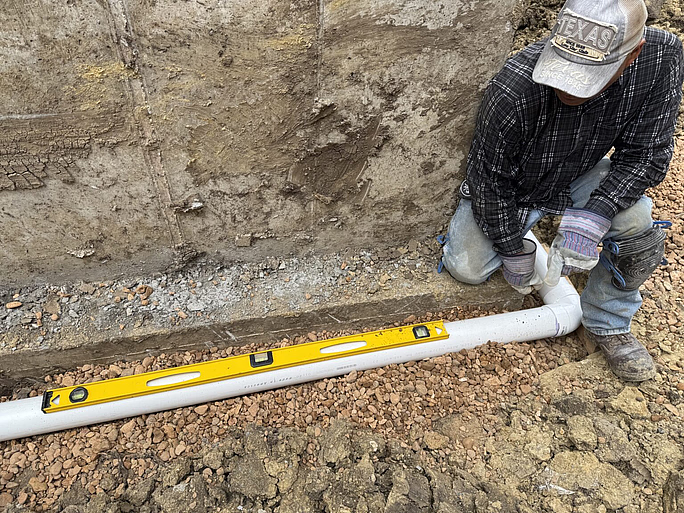
Texas weather can be unpredictable-scorching heat one day and torrential downpours the next. For many homeowners, this variability leads to standing water, foundation cracks, and soggy lawns. One effective way to manage these drainage challenges is through a French drain installation in Texas.
This guide will walk you through how French drains work, why they’re particularly useful in Texas, when you might need one, and what maintenance steps can keep your drainage system functioning for years.
Understanding the Drainage Challenge in Texas
Why Drainage Is a Unique Issue in Texas
Texas is known for its diverse landscapes-from the clay soils of Dallas-Fort Worth to the rocky terrain of Austin and the flat coastal plains of Houston. Each soil type poses unique drainage challenges. Clay-heavy soils absorb water slowly and retain it for long periods, creating waterlogging issues around homes. On the other hand, sandy soils allow water to flow too freely, potentially leading to erosion and instability near foundations.
Adding to the problem are seasonal storms and flash floods, which often overwhelm residential drainage systems. When excess water collects around a home, it can seep into the foundation, cause structural damage, or lead to persistent mold issues. Without proper drainage, the Texas climate can quickly turn from an inconvenience to a serious property concern.
Common Drainage Problems Texas Homeowners Face
Many Texas homeowners deal with one or more of the following:
- Standing water that lingers for hours or days after rain
- Damp or musty basements and crawlspaces
- Foundation cracks and soil shifting around the home
- Sloping yards that channel water toward the house
- Erosion of landscaping or walkways
If these sound familiar, it might be time to evaluate whether a French drain system can resolve your property’s water issues.
What Is a French Drain and How Does It Work?
Defining a French Drain
A French drain is an underground drainage system designed to redirect excess water away from your home’s foundation or other vulnerable areas. It typically includes a perforated pipe surrounded by gravel and enclosed with filter fabric to prevent sediment buildup.
This simple yet effective system collects both surface and subsurface water, directing it to a safe outlet such as a street drain, swale, or dry well.
Key Components & Installation Basics
| Component | Description |
| Drainage Trench | A shallow, angled trench designed to channel water away from vulnerable areas. |
| Perforated Drain Pipe | A pipe with evenly spaced openings that captures and transports excess groundwater. |
| Gravel Bedding | Enhances filtration while preventing soil from entering and blocking the pipe. |
| Filter Fabric | Separates soil from gravel, reducing sediment buildup and extending system life. |
| Discharge Point | The outlet where collected water is safely released away from the structure. |
How It Diverts Water and Protects Your Home
Water naturally follows the path of least resistance. A French drain takes advantage of this by providing an easy channel for water to flow through. Instead of pooling near your foundation, water seeps into the gravel layer, passes through the perforated pipe, and is carried safely away. This prevents:
- Foundation damage
- Soil erosion
- Flooding of basements or crawlspaces
- Landscape deterioration
For Texas homes that face recurring flooding or damp soil, French drain installation is one of the most efficient and long-lasting solutions.
When Should You Consider French Drain Installation?
Signs You Need a French Drain
You might need a residential drainage system if you notice:
- Water pooling in your yard after rain
- Damp patches near exterior walls
- Musty smells in crawlspaces or basements
- Soil erosion around patios, driveways, or gardens
- Cracks forming along the base of your home
These signs often indicate that water is not draining properly around your property.
Specific Texas Scenarios
In Texas, certain environmental factors make French drains especially useful:
- Flat terrain: Areas with minimal slope prevent natural water runoff.
- Clay soil: Expansive clay retains water and causes foundation movement.
- Heavy rainfall areas: Cities like Houston and Austin experience seasonal flooding.
- High water tables: Coastal regions often face groundwater seepage.
Installing a French drain in Texas helps control these challenges by stabilizing moisture levels around your foundation.
Are There Cases When It’s Not the Right Solution?
While effective, French drains aren’t suitable for every property. If the drainage issue stems from poor roof runoff or blocked gutters, surface-level solutions such as regrading or installing downspout extensions might be more effective. Consulting a Texas drainage contractor can help determine the most appropriate fix.
The Installation Process (Texas-Specific Considerations)
Site Evaluation & Slope/Grading Requirements
Before installation, a thorough site inspection is conducted to evaluate slope, soil type, and water flow direction. Texas’s clay-rich soils often require careful grading to ensure the drain directs water effectively away from the home. The trench must be installed with a slight slope to promote consistent flow.
Materials and Trenching: Pipes, Fabric, Gravel
During French drain installation, a trench is dug-usually around the perimeter of problem areas. The pipe is placed at the correct depth and wrapped in filter fabric to prevent soil infiltration. Gravel or crushed stone surrounds the pipe, allowing water to flow freely while preventing clogging.
Discharge Point and Local Regulations in Texas
Each Texas municipality may have rules governing where excess water can be released. Typically, discharge points must lead to designated storm drains or approved runoff areas. A professional installer will ensure compliance with local codes to prevent drainage disputes with neighbors.
Understanding the Investment
While prices vary based on system size, soil conditions, and labor, French drain installation in Texas is a long-term investment that safeguards your property against costly water damage. Proper installation ensures durability and minimizes future maintenance expenses.
French Drain Repair: When and How It’s Needed
Common Repair Triggers
Even the best systems can develop problems over time. Common reasons for French drain repair in Texas include:
- Clogged pipes due to sediment, debris, or roots
- Soil shifting that alters the trench slope
- Collapsed pipes caused by heavy loads or poor installation
- Damaged filter fabric allowing soil intrusion
Signs You Need French Drain Repair in Texas
You might need repairs if:
- Your yard floods even after light rainfall
- The discharge outlet shows little or no water flow
- Wet spots reappear along the drain line
- You notice foul smells from stagnant water
Prompt repair prevents further damage and ensures your drainage system continues functioning efficiently.
What a Repair Involves
Repairs typically involve identifying the blockage or damaged section, removing soil to access the pipe, cleaning or replacing affected parts, and restoring the system’s original slope. Skilled technicians in Texas can often complete repairs with minimal disturbance to your yard.
Maintenance Tips to Keep Your Drain Working
Routine Inspections and Debris Removal
Inspect your French drain twice a year-ideally before and after the rainy season. Keep the drain outlet clear of leaves, mud, and debris. If your system has access points, flushing it with a garden hose can help prevent clogs.
Texas Weather & Seasonal Maintenance
Texas’s weather extremes-alternating between drought and heavy rain-can shift soil levels and affect drainage flow. After prolonged dry periods, check for soil settling around the drain. Following storms, inspect for erosion or displaced gravel.
When to Call a Professional
If your drainage system stops working efficiently or you suspect underground blockages, contact a local expert. Professional services, such as those offered at TB Kings, can perform diagnostic checks and maintenance to extend the life of your system.
Making the Right Decision for Your Texas Home
DIY vs Hiring a Pro: What to Know
While some homeowners attempt DIY French drain installations, improper slope calculation or material choice can render the system ineffective. Hiring a professional ensures:
- Accurate grading and trench depth
- Use of high-quality materials
- Compliance with Texas drainage codes
- Long-term performance and warranty support
Choosing a Qualified Contractor in Texas
When hiring a contractor, look for:
- Verified experience in French drain installation and repair
- Knowledge of Texas soil conditions
- Positive reviews or local referrals
- Clear explanation of materials and process
Budgeting for Long-Term Value
Rather than focusing on upfront cost, consider the long-term savings. A well-designed French drain prevents foundation repairs, landscaping erosion, and water intrusion-issues that can be far more expensive over time. To discuss cost-effective solutions tailored to your property, you can contact us anytime.
Conclusion
Drainage issues in Texas can lead to serious structural and landscape problems if left unchecked. A French drain system offers an efficient way to manage excess water, protect your home’s foundation, and preserve property value. Whether you need a new French drain installation in Texas or an experienced repair specialist, addressing the issue early ensures your home remains dry, stable, and protected against unpredictable Texas weather.
Frequently Asked Questions
- How long does a French drain last in Texas?
With quality materials and regular maintenance, a French drain can last 20–30 years or more. - What type of soil works best for French drains?
French drains are especially effective in clay or compacted soils common across Texas, where natural drainage is limited. - Can French drains handle heavy Texas rainstorms?
Yes. When properly sloped and installed, they efficiently redirect large volumes of water during storm events. - How can I tell if my French drain is clogged?
Pooling water, soggy soil, or minimal discharge flow after rainfall often indicate a blockage that requires professional attention. - Do I need a permit for French drain installation in Texas?
Permit requirements vary by city or county. A licensed Texas contractor can confirm whether a permit is necessary based on your location and system design.