
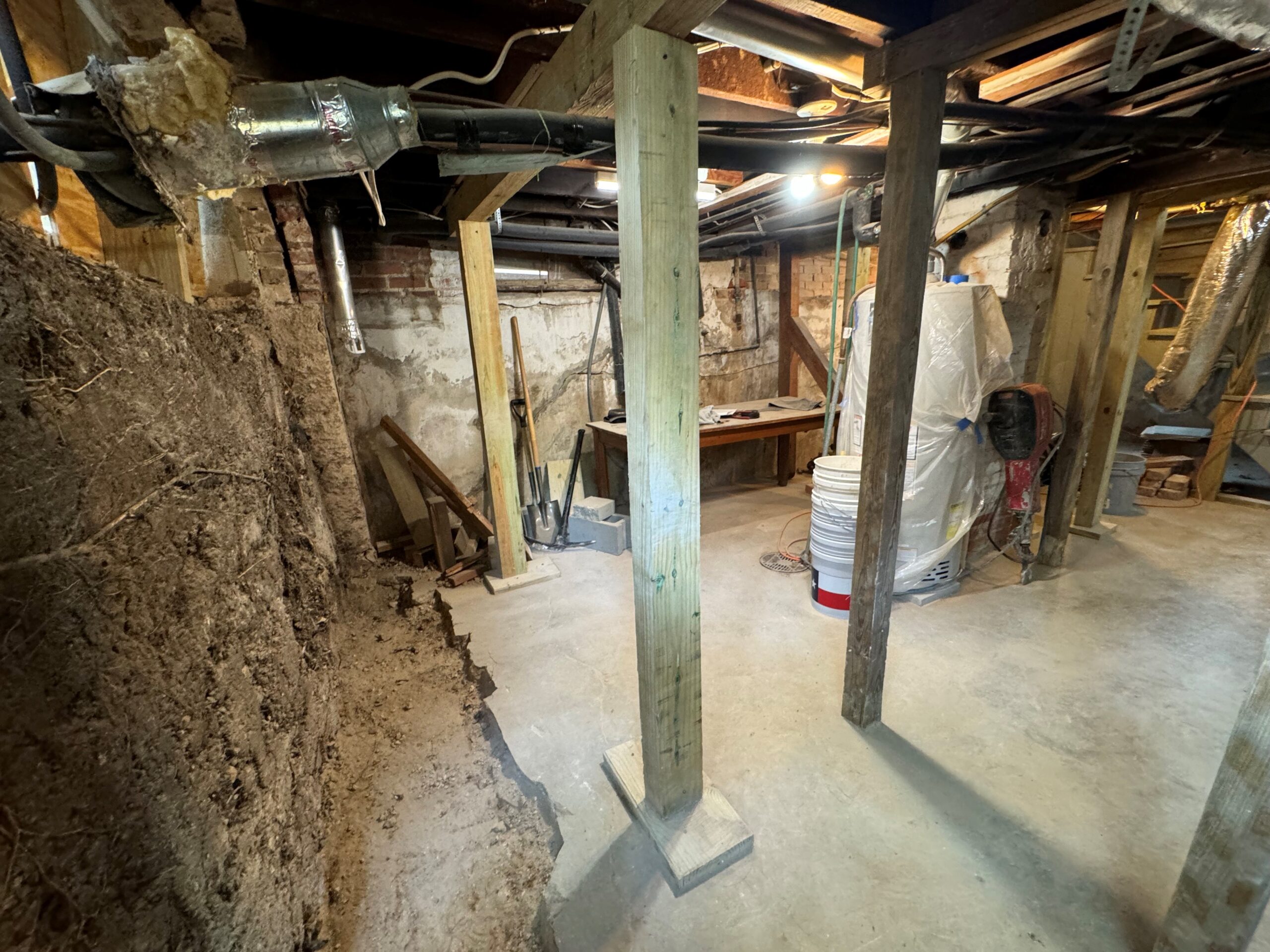
Basement insulation is a key factor in maintaining year-round indoor comfort, improving energy efficiency, and protecting a home from moisture-related problems. In regions like Texas, where temperature fluctuations and high humidity are common, proper basement insulation requires more than simply installing insulation materials. It demands a comprehensive understanding of moisture control, air sealing, drainage systems, and sound construction practices.
At TB Kings, basement insulation is approached as part of a complete building system designed to support long-term structural integrity and energy savings. By addressing how insulation interacts with airflow and moisture, homeowners can reduce the risk of condensation, mold growth, and energy loss.
Why Basement Insulation Matters
Basements are often the coldest or most humid part of a home. Because they sit below ground level, they are exposed to soil moisture, groundwater pressure, and temperature variations. Without proper insulation, basements can become a source of energy loss and moisture intrusion.
Key benefits of insulating a basement
- Reduced heating and cooling costs
- Improved indoor comfort throughout the home
- Lower risk of condensation and mold growth
- Better protection for structural components
- Enhanced durability of finished basement spaces
In many cases, insulation works best when combined with moisture management strategies, such as drainage and waterproofing systems.
Understanding Basement Moisture Before Insulating
Before installing insulation, it is important to understand how moisture enters a basement. Insulating without addressing moisture can trap water vapor and lead to long-term damage.
Common sources of basement moisture
- Groundwater seeping through foundation walls
- Surface water pooling around the foundation
- Condensation caused by temperature differences
- Poor drainage systems
In homes experiencing persistent moisture issues, consulting basement repair specialists in Texas can help identify underlying problems before insulation is added.
The Relationship Between Drainage and Insulation
Proper drainage is essential for effective basement insulation. When water is redirected away from the foundation, insulation materials perform better and last longer.
Role of French drain systems
A French drain pipe installation helps collect and redirect groundwater away from the foundation walls. This reduces hydrostatic pressure and limits moisture exposure to insulated surfaces.
Drainage systems are often installed along the interior or exterior perimeter of the basement and work in conjunction with sump pumps and waterproof membranes.
Types of Basement Insulation Materials
Different insulation materials serve different purposes. The right choice depends on whether the basement is finished or unfinished, local climate conditions, and moisture levels.
Common basement insulation options
Rigid foam board insulation
- Moisture-resistant
- Suitable for foundation walls
- Provides consistent insulation value
Spray foam insulation
- Excellent air sealing properties
- Adheres directly to concrete surfaces
- Higher cost but effective in moisture-prone areas
Fiberglass insulation
- Often used in framed basement walls
- Requires proper vapor barriers
- Less effective if exposed to moisture
Interior vs Exterior Basement Insulation
Both interior and exterior insulation methods have advantages and limitations.
Interior basement insulation
- Easier to install in existing homes
- More cost-effective
- Allows for future access to foundation walls
Interior insulation must be paired with moisture control strategies to prevent condensation.
Exterior basement insulation
- Protects foundation walls from temperature extremes
- Reduces thermal bridging
- Typically installed during basement construction or major renovations
Exterior insulation is often more effective but can be more complex and costly.
Basement Construction Considerations for Insulation
Insulation should be planned as part of a broader basement construction strategy. Structural integrity, drainage, and ventilation all affect insulation performance.
Factors to consider during basement construction
- Foundation wall material and thickness
- Soil composition and water table levels
- Local building codes and insulation requirements
- Placement of vapor barriers
Proper basement construction ensures insulation systems function as intended over the long term.
Air Sealing: A Critical Step Often Overlooked
Insulation alone does not stop air movement. Air leaks can significantly reduce energy efficiency and contribute to moisture buildup.
Common air leakage points
- Rim joists
- Foundation cracks
- Utility penetrations
- Window frames
Sealing these areas before installing insulation greatly improves overall thermal performance, reduces heat loss, and helps protect the basement from moisture-related issues. For professional air sealing and basement construction support, contact us to schedule a consultation.
Basement Insulation R-Values Explained
R-value measures thermal resistance. Higher R-values provide better insulation but must be balanced with moisture considerations.
Typical recommended R-values
| Basement Component | Recommended Insulation (R-Value) |
| Foundation walls | R-10 to R-15 |
| Basement ceilings | R-19 to R-30 |
| Rim joists | R-10 to R-20 |
Local building codes may specify minimum requirements based on climate zones.
Moisture Barriers and Vapor Control
Vapor barriers help manage moisture movement through walls and floors. Their placement depends on insulation type and climate conditions.
Best practices for vapor control
- Avoid placing vapor barriers where moisture can become trapped
- Use breathable materials when appropriate
- Combine vapor control with proper drainage
Incorrect vapor barrier installation can cause condensation rather than prevent it.
Insulating Finished vs Unfinished Basements
The approach to insulation differs depending on how the basement is used.
Unfinished basements
- Focus on foundation walls and rim joists
- Prioritize moisture resistance
- Allow access for inspections and repairs
Finished basements
- Combine insulation with framing and drywall
- Include soundproofing considerations
- Maintain access to drainage and utility systems
In both cases, moisture management remains essential.
When to Address Repairs Before Insulating
Insulating over existing foundation problems can worsen structural issues. Cracks, leaks, and water intrusion should be resolved first.
Homeowners often consult basement repair specialists in Texas to assess conditions such as foundation movement, water seepage, or drainage failures before proceeding with insulation.
Long-Term Maintenance of Basement Insulation
Once installed, insulation requires periodic inspection to ensure it continues to perform effectively.
Maintenance tips
- Check for signs of moisture or mold
- Monitor drainage systems regularly
- Ensure sump pumps and drains remain functional
- Inspect insulation after severe weather events
Preventive maintenance helps protect investment in insulation and structural upgrades.
How Insulation Supports Overall Home Efficiency
Basement insulation impacts the entire home, not just the lower level. Proper insulation reduces strain on heating and cooling systems and improves indoor air quality.
Homes with well-insulated basements often experience:
- More consistent indoor temperatures
- Lower energy consumption
- Improved comfort on upper floors
These benefits are most noticeable when insulation is part of a comprehensive moisture and air control strategy.
Frequently Asked Questions
Is basement insulation necessary in warm climates?
Yes. Even in warm climates, basements can experience moisture issues and temperature differences that affect comfort and energy efficiency.
Should insulation be installed before fixing moisture problems?
No. Moisture and drainage issues should always be addressed first to prevent damage to insulation materials.
Can insulation help prevent mold growth?
Insulation alone does not prevent mold, but when combined with moisture control and proper ventilation, it reduces conditions that support mold growth.
How long does basement insulation last?
When installed correctly and kept dry, most insulation materials can last for decades with minimal maintenance.
Is professional assessment recommended before insulating?
A professional assessment helps identify moisture, drainage, or structural concerns that could impact insulation performance.
Final Note
Proper basement insulation is not a single-step project. It involves understanding moisture behavior, drainage systems, construction practices, and material performance. Taking a systematic approach helps ensure long-term efficiency, comfort, and durability.