
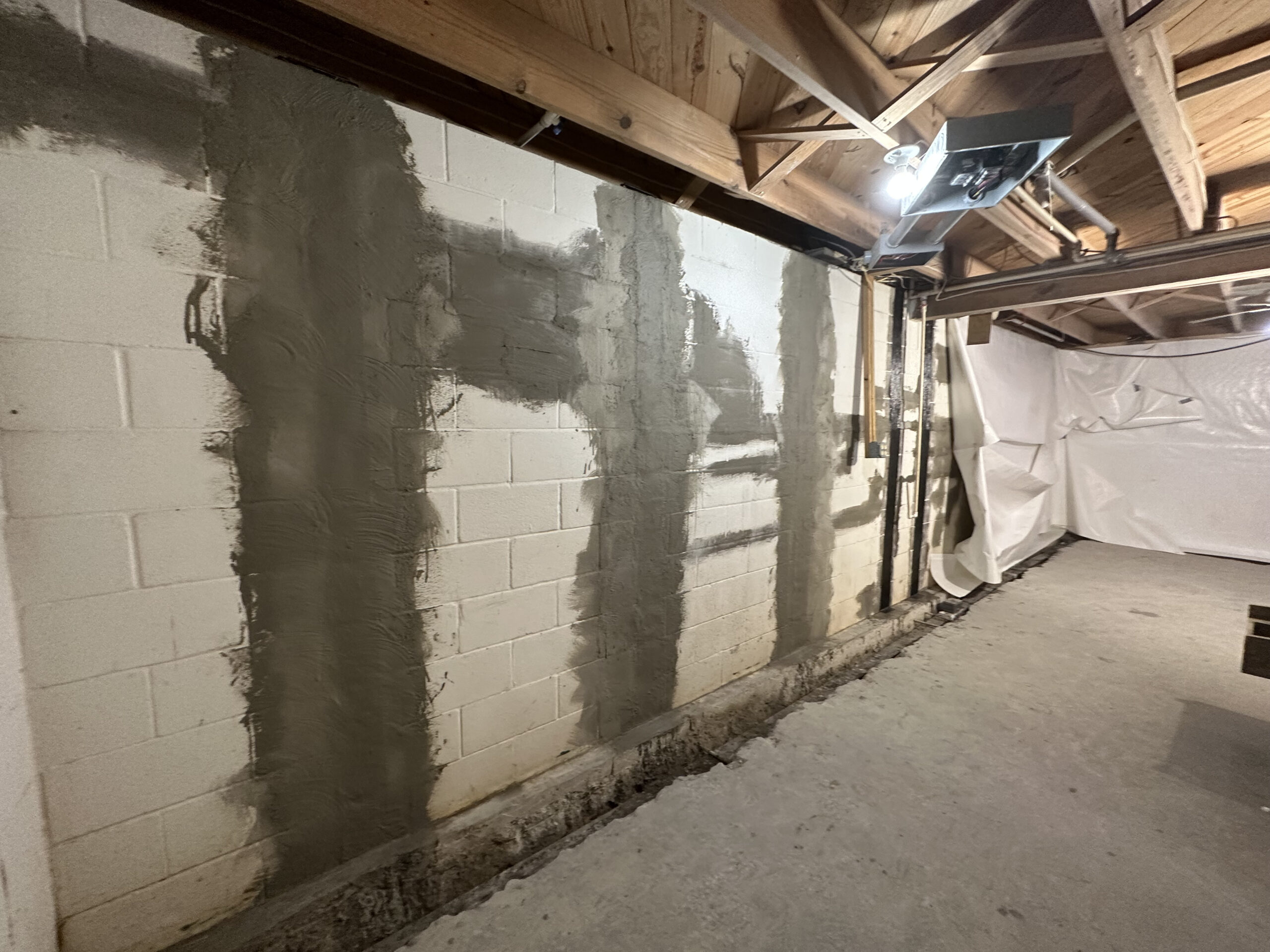
Basements are particularly vulnerable to moisture, groundwater pressure, and structural stress especially in regions with heavy rainfall or clay-rich soil. Without the right protection, water intrusion can lead to mold growth, weakened foundations, and ongoing repair issues. This is why choosing the correct waterproofing method, including options like concrete basement sealing, is essential for home safety and long-term structural health.
With so many waterproofing approaches available, homeowners often find it challenging to identify which solution best suits their needs. A thorough basement waterproofing inspection is the first step toward understanding potential risks and determining the type of system required.
For additional guidance and professional support, homeowners can explore the expert resources and services available through TB Kings.
Understanding Why Basements Need Waterproofing
Basements are constantly exposed to moisture from groundwater, surface water runoff, condensation, and structural cracks. Over time, even minor water entry can develop into costly damage.
Common Causes of Basement Moisture
A basement waterproofing inspection in texas typically identifies several sources of water intrusion:
1. Hydrostatic Pressure
When the soil around the foundation absorbs water, it creates pressure against basement walls and floors. This pressure forces moisture through cracks and joints.
2. Poor Exterior Drainage
Ineffective grading, clogged gutters, and improper drainage systems cause water to pool near the foundation. Standing water eventually seeps through porous concrete.
3. Interior Humidity and Condensation
Basements often have cooler surfaces where indoor moisture condenses, adding to dampness and mold risk.
4. Structural Cracks
Movement in the soil or aging materials cause cracks in basement walls and floors, creating entry points for water.
5. Plumbing Leaks
While not always related to structural issues, plumbing leaks can contribute to ongoing dampness.
Understanding the source of moisture is essential before investing in basement waterproofing services. Each method is designed to address a specific type of water problem.
Interior vs Exterior Basement Waterproofing
There are two primary categories of waterproofing solutions. The right choice depends on the origin of water intrusion, the level of damage, and the long-term goals of the homeowner.
Interior Waterproofing
Interior measures manage moisture once it has entered the basement or regulate humidity levels.
Common Interior Methods
- Sealants and waterproof coatings
- Interior drainage channels
- Sump pump installations
- Vapor barriers
- Dehumidification systems
Interior solutions can reduce dampness and redirect water but do not stop external pressure from building up around the foundation.
Exterior Waterproofing
Exterior methods aim to prevent water from ever reaching the basement walls.
Common Exterior Methods
- Exterior excavation and waterproof membrane application
- French drains or exterior drainage tiles
- Soil grading adjustments
- Waterproof coatings on exterior walls
Exterior waterproofing is more comprehensive but requires more labor and access around the foundation.
Both interior and exterior methods have their own advantages, and many properties benefit from a strategic combination of both systems for maximum protection.
If you’re unsure which waterproofing method is best for your home, contact us today for expert guidance and a professional inspection.
Factors to Consider Before Choosing a Waterproofing Method
Selecting the right method begins with an accurate basement waterproofing inspection. Key considerations include:
1. Source of Moisture
Surface water, groundwater, humidity, and structural cracks each require different treatments.
2. Soil and Climate Conditions
Clay-rich soils expand and contract, increasing wall pressure. High-rainfall regions demand more robust drainage solutions.
3. Age and Condition of the Foundation
Older concrete may be more porous, while homes with extensive cracks may require structural repairs before waterproofing.
4. Budget and Long-Term Expectations
Interior systems are often more affordable but may not prevent future issues. Exterior systems provide deeper protection but involve higher upfront costs.
5. Accessibility Around the Home
Tight yard spaces, landscaping, or paved surfaces may limit excavation options.
A professional inspection can determine the most practical solution for the home’s layout and conditions.
Popular Basement Waterproofing Methods Explained
Below is an in-depth look at the most common methods used by professionals. Understanding how each works helps homeowners make more informed decisions.
Interior Drainage Systems
Interior drainage systems are among the most reliable interior waterproofing solutions. These systems collect water that enters the basement and channel it toward a sump pump.
How It Works
- A trench is cut along the basement perimeter.
- A drainage pipe is installed to collect water from the foundation.
- The system directs water to a sump pump basin.
- The pump expels water away from the home.
Best For
- Homes with recurring water puddles
- Hydrostatic pressure issues
- Basements without exterior access
Interior drainage does not prevent water from entering the soil around the foundation but effectively manages seepage.
Exterior Waterproofing Membranes
Exterior waterproofing is a more comprehensive approach involving excavation around the foundation to apply protective materials.
How It Works
- Soil is excavated to expose the basement walls
- Waterproof membranes or coatings are applied
- Drainage boards or protective layers are added
- Backfilling is completed with proper soil grading
Best For
- Homes with extensive exterior water exposure
- Long-term waterproofing solutions
- Foundations experiencing repeated water intrusion
This method reduces the need for frequent maintenance but requires access and higher labor investment.
French Drain Installation
A French drain is an exterior or interior drainage system specifically used to redirect groundwater.
How It Works
- A trench is dug and lined with fabric
- Gravel and a perforated pipe are installed
- Water flows into the pipe and away from the property
Best For
- Water pooling around the foundation
- Soil with poor natural drainage
- Homes in low-lying or flat areas
French drains significantly reduce hydrostatic pressure on basement walls and often work well alongside waterproofing membranes.
Basement Sealants and Coatings
These products provide a barrier on interior walls to restrict moisture entry through porous concrete.
Types of Sealants
- Concrete waterproof coatings
- Elastomeric sealants
- Silicate-based sealers
Best For
- Minor dampness or surface moisture
- Early-stage waterproofing efforts
Sealants are not suitable for heavy water intrusion but can complement interior drainage systems.
Sump Pump Systems
Sump pumps remove collected water and discharge it safely away from the foundation.
How It Works
- Water enters a sump pit
- A float switch activates the pump
- Water is pushed outside through a discharge pipe
Best For
- Homes with basement flooding
- High groundwater areas
- Interior drainage system integration
A sump pump is a key part of many basement waterproofing services and provides an additional layer of protection during heavy rainfall.
Comparison Table: Basement Waterproofing Methods
The table below provides a clear comparison of popular methods to help homeowners choose the right approach.
| Method | Type | Best For | Longevity | Maintenance |
| Interior Drainage | Interior | Seepage, hydrostatic pressure | High | Moderate |
| Exterior Membranes | Exterior | Heavy water exposure | Very High | Low |
| French Drains | Exterior/Interior | Groundwater control | High | Moderate |
| Sealants | Interior | Light dampness | Medium | Low |
| Sump Pumps | Interior | Flood prevention | High | Moderate |
How a Basement Waterproofing Inspection Helps
A thorough inspection is the foundation of every effective waterproofing strategy. Professionals assess:
- Wall and floor cracks
- Moisture levels
- Soil composition
- Drainage patterns
- Structural stability
- Existing waterproofing systems
The inspection helps determine whether interior or exterior solutions, or a combination of both, will best protect the home.
Homeowners can visit TB Kings to explore more information about inspection and waterproofing solutions.
Common Mistakes Homeowners Should Avoid
Before choosing a method, it is important to avoid these common errors:
1. Relying Only on Sealants
Sealants alone cannot stop groundwater pressure or significant water intrusion.
2. Ignoring Drainage Problems Outside
Poor grading, clogged gutters, and downspouts that discharge near the foundation continue to cause moisture issues even after waterproofing.
3. Overlooking Humidity Control
High humidity can cause moisture-related problems even without liquid water intrusion.
4. Delaying an Inspection
Moisture issues often worsen over time and become more costly to repair.
Checklist for Selecting the Right Waterproofing Method
Use this checklist during your basement waterproofing inspection:
- Identify the exact source of moisture
- Analyze soil and water drainage around the home
- Assess structural cracks and weak points
- Check for signs of mold or dampness
- Evaluate indoor humidity levels
- Determine how often water enters the basement
- Consider long-term maintenance requirements
FAQ Section
1. How do I know which basement waterproofing method is right for my home?
A professional basement waterproofing inspection identifies the source of moisture, soil conditions, and structural risks. The findings guide the appropriate method.
2. What is the difference between interior and exterior waterproofing?
Interior systems manage water once it enters, while exterior systems prevent water from reaching the basement walls.
3. Are French drains effective for waterproofing?
Yes. French drains reduce groundwater pressure and help redirect water away from the foundation.
4. Do all basements need sump pumps?
No. Sump pumps are generally required in homes with recurring flooding, high groundwater levels, or interior drainage systems.
5. How long does basement waterproofing last?
Longevity varies by method. Exterior systems may last several decades, while interior solutions require periodic maintenance.
Conclusion
Choosing the right basement waterproofing method requires understanding the source of moisture, evaluating the condition of the foundation, and selecting a system suited to long-term protection. Interior methods help manage seepage and humidity, while exterior systems prevent water from reaching the structure. Many homes rely on a combination of both approaches for the most reliable results.
A comprehensive basement waterproofing inspection provides the clarity needed to make an informed decision. With careful planning and a suitable method, homeowners can safeguard their basement and protect the structural integrity of their home for years ahead.