
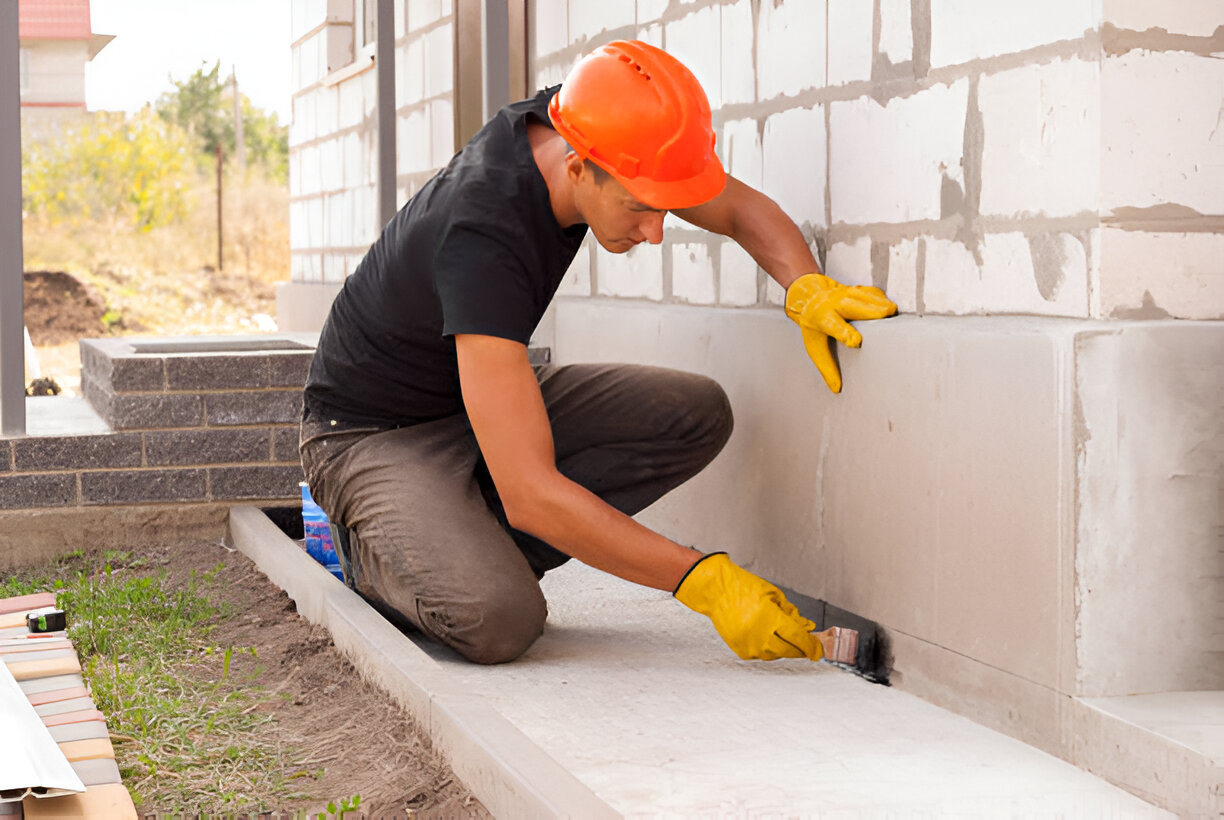
Basement waterproofing is a crucial home improvement investment, especially in a city like Houston where frequent rainfall, high humidity, and expansive clay soils create the perfect storm for water intrusion. A damp or leaking basement can cause long-term damage to your home’s structure, lower its value, and create unhealthy indoor air quality due to mold and mildew.
At TB Kings, we’ve worked with homeowners across the Houston area to deliver effective and affordable waterproofing solutions. This guide will help you understand what to expect in terms of cost, method, and long-term value when it comes to waterproofing your basement.
Why Waterproofing Is Crucial in Houston Homes
The Gulf Coast Climate & Heavy Rainfall
Houston’s subtropical climate brings intense rainfall and frequent storms. This excess moisture puts homes at constant risk of water infiltration, especially in low-lying areas.
Houston’s Expansive Clay Soil and Drainage Issues
The city’s clay-heavy soil expands and contracts with changes in moisture, creating pressure against foundation walls and increasing the risk of cracks and leaks.
How Water Damage Impacts Structural Safety
Unchecked water intrusion can erode foundation integrity over time. It weakens structural supports and can even shift your home’s foundation.
Risks of Mold, Mildew, and Air Quality Issues
Basements are naturally prone to humidity. Add in water leaks, and you get the perfect environment for mold and mildew growth, which can lead to respiratory issues and poor indoor air quality.
Step-by-Step Guide to Basement Waterproofing
Understanding the waterproofing process helps you make informed decisions and set realistic expectations for project timelines and costs.
Step 1 – Inspection and Moisture Evaluation
The first step is a thorough inspection of your basement. Look for signs such as water stains, white powdery residue (efflorescence), mold growth, or a musty smell. These symptoms point to the presence of moisture. It’s also helpful to use a moisture meter to check for hidden damp spots behind drywall or beneath flooring. Externally, check for poor drainage near the foundation, including clogged gutters, downspouts that discharge too close to the home, or soil that slopes toward the foundation.
Step 2 – Choosing the Appropriate Waterproofing Method
After identifying the source of the problem, it’s time to choose the best solution. There are three primary approaches to basement waterproofing, and each is suited to different types of moisture problems.
Interior Waterproofing
This method includes applying sealants, vapor barriers, or water-resistant coatings to walls and floors. It may also involve crack repair using epoxy or polyurethane injections. While interior waterproofing is less invasive and relatively affordable, it doesn’t stop water from reaching your foundation walls. It works best for managing minor issues like condensation and seepage.
Exterior Waterproofing
Exterior waterproofing involves excavating the soil around your home’s foundation and applying a waterproof membrane or coating to the exterior wall surfaces. A drainage board or filter fabric is often added to guide water away. Drain tile systems and gravel backfill help ensure proper drainage. Though costly and labor-intensive, this is one of the most permanent and effective methods for preventing water from entering your home.
Interior Drainage with a Sump Pump
An interior French drain system is a trench that runs along the perimeter of the basement. It contains perforated piping and gravel that redirects water into a sump pump basin. The pump then discharges the water safely away from your home. This system is often used when water collects under the basement slab due to a high water table or poor soil drainage.
For more details on these methods, visit our Basement Foundation Waterproofing page.
Step 3 – French Drain System Installation
Installing a French drain involves cutting a trench inside the basement perimeter, usually 6–12 inches wide. A perforated pipe is placed in the trench and surrounded by gravel. This pipe directs water to a sump basin located at the lowest point in the basement. Once installed, the trench is sealed with concrete.
This system is effective in homes where water pressure forces moisture through the basement floor or walls. It’s less disruptive than exterior excavation and offers reliable long-term protection when paired with a sump pump.
Step 4 – Sump Pump Installation
The sump pump is responsible for actively removing collected water from the basement. Homeowners can choose between submersible and pedestal sump pumps. Submersible pumps are more discreet and quieter, while pedestal pumps are easier to service.
For homes in flood-prone areas, a battery backup system is strongly recommended to keep the pump operating during power outages. Regular maintenance includes checking the float switch, clearing debris, and testing the discharge line before the rainy season.
Step 5 – Exterior Excavation and Waterproofing
This process is more extensive and involves several critical steps:
- Excavation of the soil around the home’s foundation, typically 3 to 6 feet deep.
- Cleaning and patching any visible cracks on the exterior foundation walls.
- Application of a waterproof membrane or rubberized coating.
- Installation of a drainage board and exterior drain tile system.
- Backfilling the trench with gravel and regrading the soil to slope away from the house.
Though more expensive, this approach keeps water from entering your home altogether, offering the most comprehensive defense.
To avoid common pitfalls, check out our guide on DIY Basement Waterproofing Mistakes.
Return on Investment and Added Benefits
Waterproofing your basement is more than a preventive measure. It’s an investment that can increase property value and allow for additional living space. A dry basement creates opportunities for home offices, rental units, or recreational rooms.
| Investment Component | Key Benefit |
| French Drain + Sump Pump | Prevents water buildup and mold growth |
| Sealants and Crack Repair | Strengthens foundation and reduces dampness |
| Full Waterproofing System | Long-term protection and resale advantage |
| Estimated ROI | 25%–35% boost in resale potential |
Buyers in Houston frequently look for homes with waterproofed basements, especially given the region’s weather patterns and storm history.
Final thoughts: Protecting Your Houston Home from the Ground Up
Basement waterproofing is one of the most important home improvements you can make in Houston. It protects your investment, improves air quality, and can add usable square footage to your home. Costs can vary significantly based on the severity of the problem and the method chosen, but delaying action often results in more expensive repairs down the line.
Let the experts at TB Kings help you find a smart and lasting solution. From minor fixes to full-scale system installations, we’ll create a waterproofing plan that works for your home – and your wallet.
Frequently Asked Questions
The cheapest waterproofing options include sealants and waterproof paint, usually under $1,000. These methods are appropriate only for light moisture and should not be relied on for serious leaks or long-term protection.
DIY waterproofing can be effective for minor surface issues like hairline cracks. However, tasks like installing drainage systems or sump pumps should be left to professionals. Mistakes can be expensive and compromise the integrity of your home.
Learn more in our DIY Basement Waterproofing Mistakes article.
Typically, no. Insurance policies cover water damage caused by sudden events, but they don’t usually pay for preventive measures. It’s best to consider waterproofing as part of your home maintenance plan.
The best approach is to schedule a professional evaluation. At TB Kings, we offer free consultations to assess the condition of your basement and foundation and recommend solutions tailored to your property and budget.