
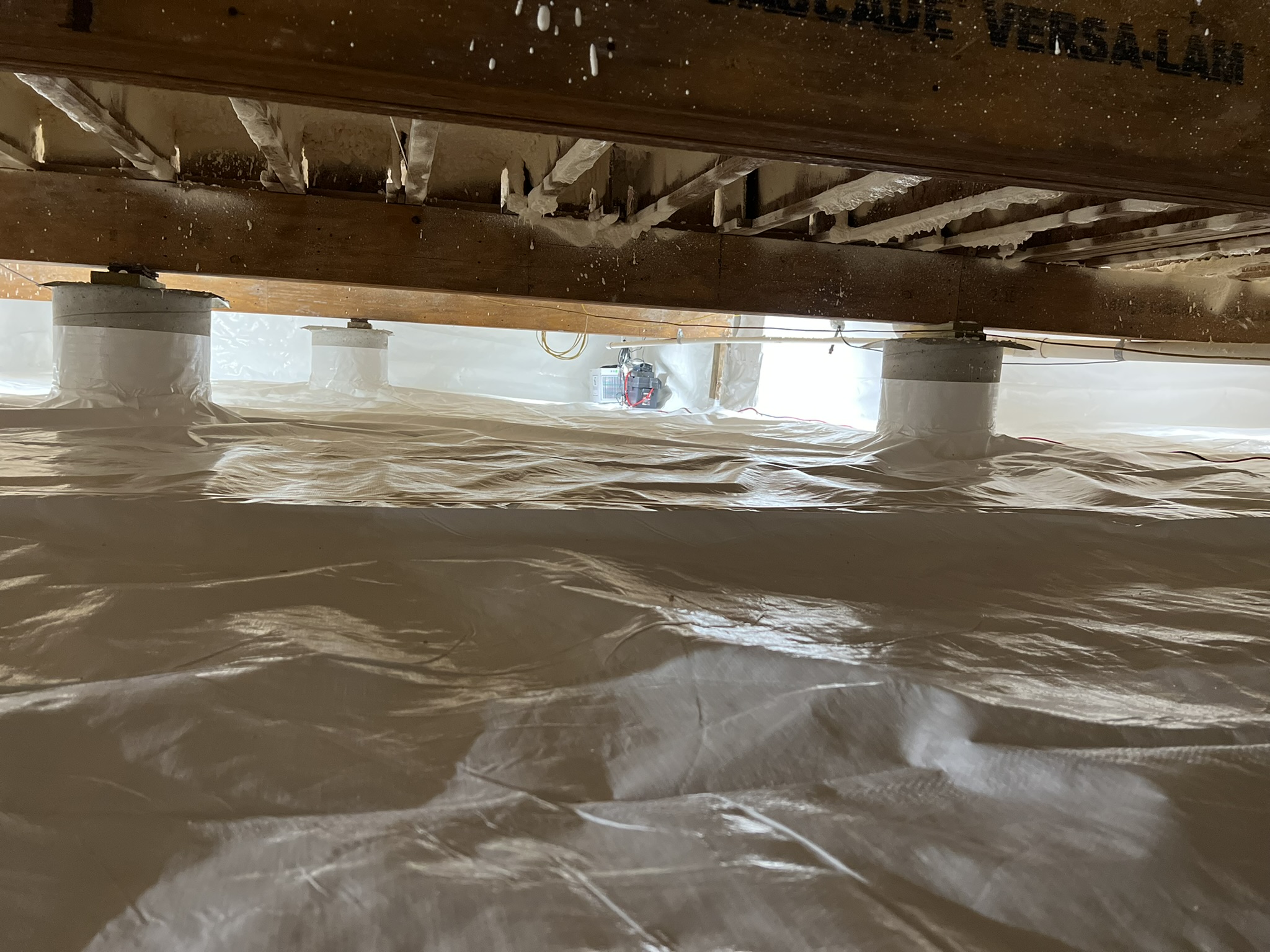
When it comes to maintaining healthy indoor air quality, most of us focus on things like air purifiers, ventilation systems, and regular cleaning. However, one often-overlooked area is the crawl space. This hidden space beneath your home can have a significant impact on the air quality in your living areas. In fact, issues like moisture buildup, mold, and pests in your crawl space can contribute to poor air circulation, musty odors, and even health problems in the rest of your home.
From reducing allergens and preventing mold growth to boosting energy efficiency, encapsulation can make your living environment more comfortable and healthier for your family. Let’s explore why investing in crawl space encapsulation is one of the smartest decisions you can make for your home’s long-term well-being.
Understanding the Link Between Crawl Spaces and Indoor Air Quality
What Is a Crawl Space?
A crawl space is a shallow, unfinished area beneath a home, typically between the ground and the first floor. It’s usually accessed through a small door or hatch and is often used for housing plumbing, electrical wiring, and HVAC ducts. Unlike basements, crawl spaces don’t have full-height walls and are typically no more than a few feet high, making them less accessible for storage or comfortable living.
While crawl spaces are an essential part of a home’s infrastructure, they can become a source of moisture, mold, pests, and poor air quality if not properly maintained.
Why Crawl Spaces Affect the Air You Breathe Indoors
The condition of your crawl space has a direct impact on the air inside your home, largely due to the movement of air between the crawl space and your living areas. As air rises from lower levels in the home, it can bring moisture, mold spores, and allergens from the crawl space into your indoor environment.
Because most crawl spaces are poorly ventilated, moisture can accumulate and cause significant issues. These problems often rise into the home via the “stack effect,” which is how air moves naturally from lower to higher levels in a structure.
Stack Effect – How Air Moves from Crawl Space to Living Areas
The stack effect refers to the natural movement of air caused by temperature differences between the inside and outside of the house. Warmer air rises and creates a vacuum effect, pulling air from lower levels into the living spaces. This process can draw in moist, contaminated air from the crawl space and distribute it throughout the rest of your home. The result is an increase in humidity, musty odors, and the potential spread of harmful pollutants.
Common Indoor Air Problems from Poor Crawl Space Conditions
A poorly maintained crawl space can lead to various indoor air quality issues, including:
- Excessive moisture that promotes mold and mildew growth
- Musty odors that make the home smell unpleasant
- Allergens like dust mites, pollen, and pet dander
- Radon and soil gases that enter the home from beneath the foundation
- Pests such as rodents, termites, and insects
These problems can affect not just the air quality, but your family’s health as well.
What Is Crawl Space Encapsulation?
Crawl Space Encapsulation Explained
Crawl space encapsulation is the process of sealing off the crawl space from the outside environment. This includes installing a vapor barrier on the floor and walls, sealing any gaps or cracks, and addressing moisture issues. By creating a controlled, sealed environment, encapsulation prevents moisture from entering, reduces humidity, and protects against mold, pests, and other contaminants.
If you’re ready to improve your home’s air quality and protect its foundation, contact us today at TB Kings for expert crawl space encapsulation services. We’ll help you create a safer, more comfortable living environment for your family.
Key Components (Vapor Barriers, Sealing, Dehumidifiers)
Crawl space encapsulation involves several key components that work together to protect the area and improve indoor air quality:
- Vapor Barriers: Thick plastic or polyethylene sheets are laid down across the floor and walls to block moisture from seeping in from the soil. These barriers are usually puncture-resistant and designed to last for many years.
- Sealing: All cracks, gaps, and openings in the crawl space, including vents, ducts, and seams, are sealed to prevent air and moisture from entering the space. This is crucial for maintaining a controlled environment.
- Dehumidifiers: In some cases, a dehumidifier may be installed to further reduce humidity levels and prevent excess moisture from building up. This helps maintain an optimal environment that’s inhospitable to mold and mildew.
Difference Between Encapsulation vs. Ventilation vs. Insulation
While crawl space ventilation and insulation are common strategies for maintaining the space, they differ from encapsulation in terms of effectiveness:
- Ventilation involves opening vents to allow airflow into the crawl space, but this can lead to more moisture entering, especially in humid climates.
- Insulation aims to regulate temperature but does not directly address moisture or mold, which can still thrive in space.
- Encapsulation provides the most effective solution by controlling moisture and creating a sealed environment that keeps out harmful contaminants.
Encapsulation is the most comprehensive and long-term solution compared to simple ventilation or insulation methods.
Average Cost and ROI of Crawl Space Encapsulation
The cost of crawl space encapsulation can vary based on the size of the crawl space and the specific conditions of the area. On average, homeowners can expect to pay between $5,000 and $15,000 for a complete encapsulation project. While this may seem like a significant investment, the return on investment (ROI) can be substantial.
The benefits of encapsulation include:
- Improved indoor air quality, leading to fewer respiratory problems and allergies
- Lower energy bills due to enhanced insulation and reduced moisture
- Increased home value due to improved energy efficiency and a healthier living environment
In the long run, the money saved on energy costs and the improvement in health can make encapsulation a worthwhile investment.
How Crawl Space Encapsulation Improves Indoor Air Quality
Moisture Control to Prevent Mold Growth
One of the most significant benefits of crawl space encapsulation is moisture control. By sealing the space and preventing outside moisture from entering, encapsulation dramatically reduces the risk of mold and mildew growth. This is crucial because mold thrives in damp, dark environments, and it can quickly spread to the rest of your home if left unchecked.
With reduced moisture, the likelihood of mold-related health issues, such as respiratory problems and allergies, is greatly diminished.
Eliminating Musty Odors in the Home
The damp conditions in an unsealed crawl space often led to a musty, unpleasant smell that can seep into your home’s living areas. This smell is usually a sign of mold, mildew, or bacteria growth. Crawl space encapsulation effectively eliminates this odor by controlling moisture and sealing the area off from external sources of contamination. As a result, your home will smell fresher and cleaner.
Reducing Allergens and Dust Mites
Crawl spaces can harbor dust mites, allergens, and other particles that contribute to poor indoor air quality. By sealing the crawl space and reducing moisture levels, encapsulation limits the conditions that allow these allergens to thrive. This can have a significant positive impact on family members who suffer from allergies or asthma.
Lowering Radon and Soil Gases
Radon, a naturally occurring radioactive gas, can seep into homes from the soil beneath the foundation, including crawl spaces. Encapsulation helps reduce the entry of radon and other soil gases by sealing off the crawl space and preventing them from entering the living areas. This reduces the risk of long-term exposure to harmful gases.
Creating a Healthier Living Environment
Encapsulation makes the entire home healthier by improving air quality, reducing allergens, and creating a dry, clean environment. This leads to fewer health issues, such as respiratory problems, allergies, and skin irritation. A cleaner crawl space means a cleaner home, ultimately enhancing your overall well-being.
Health Benefits of Cleaner Indoor Air
Reduced Respiratory Issues and Allergies
One of the main reasons to improve your indoor air quality is to reduce respiratory issues, especially for individuals with asthma, allergies, or other respiratory conditions. By preventing mold growth, reducing allergens, and eliminating musty odors, crawl space encapsulation can significantly alleviate symptoms of these conditions, resulting in better overall health for your family.
Better Sleep and Comfort
Improved indoor air quality leads to better sleep and overall comfort. When the air is clean and free from allergens, mold spores, and humidity, your home becomes a more relaxing environment. Many people with respiratory issues report improved sleep quality after their crawl space is encapsulated, due to the reduction of triggers that disturb rest.
Long-Term Protection Against Asthma Triggers
For individuals with asthma, exposure to mold, dust mites, and other allergens can trigger attacks. Crawl space encapsulation offers long-term protection against these asthma triggers by eliminating the conditions that allow them to thrive in the first place.
Energy Efficiency and HVAC Performance Benefits
By sealing the crawl space and controlling moisture, encapsulation also enhances the efficiency of your HVAC system. Less moisture means that the system doesn’t have to work as hard to maintain temperature and humidity levels in your home. This can lead to lower energy bills and extended life for your HVAC system.
To learn more about these benefits and how encapsulation can improve your home, get in touch with TB Kings today!
Signs You Need Crawl Space Encapsulation
Musty Smells in Living Areas
If you notice a musty or damp smell in your home, especially in the basement or lower levels, this could be a sign that your crawl space is affected by moisture or mold. Encapsulation can address this issue by sealing the space and controlling humidity.
High Indoor Humidity Levels
Excessive humidity inside your home, even in areas that aren’t crawl spaces, may be a symptom of high moisture levels beneath your home. Encapsulation helps regulate indoor humidity, improving overall comfort and air quality.
Visible Mold or Mildew in Crawl Space
If you can see mold or mildew in your crawl space, it’s time to consider encapsulation. These fungal growths thrive in damp, dark conditions and can spread to your home’s living spaces if not addressed.
Pest Problems (Rodents, Termites, Insects)
Pests love crawl spaces because they provide an ideal environment for nesting. Encapsulation helps keep pests out by sealing all entry points and reducing moisture, making the crawl space less inviting for them.
Increased Energy Bills from Poor Air Circulation
If you’ve noticed an increase in your energy bills, poor crawl space conditions might be to blame. Encapsulation improves airflow and energy efficiency, leading to more consistent temperatures and lower utility costs.
Conclusion
Crawl space encapsulation is a powerful solution offered by TB Kings for improving your home’s indoor air quality. By effectively addressing issues such as moisture, mold, pests, and allergens, encapsulation creates a healthier, more comfortable living environment. The benefits go beyond just air quality encapsulation can also result in lower energy bills, fewer respiratory issues, and long-term protection against potential health hazards. If your crawl space is showing signs of neglect, consider encapsulation as a proactive investment in the health and well-being of your family. Contact TB Kings today to learn more about how our crawl space encapsulation services can enhance your home’s air quality and overall comfort.
FAQs
- What is crawl space encapsulation?
Crawl space encapsulation is the process of sealing off a crawl space to prevent moisture, mold, and pests from entering the home. It involves using vapor barriers, sealing cracks, and sometimes installing dehumidifiers. - Why is crawl space encapsulation important for indoor air quality?
Encapsulation prevents moisture buildup and mold growth in the crawl space, which can otherwise lead to musty odors, allergens, and poor air quality in your home. - How does encapsulation help with mold?
By controlling moisture levels and sealing off the crawl space, encapsulation reduces the conditions that promote mold growth, keeping your home healthier and mold-free. - Does a crawl space encapsulation reduce allergies?
Yes, encapsulation helps reduce allergens like dust mites, mold spores, and other particles by keeping the crawl space dry and sealed, improving indoor air quality. - Can encapsulating my crawl space lower energy bills?
Yes, by reducing moisture and improving air circulation, crawl space encapsulation makes your home more energy-efficient, lowering heating and cooling costs.