
The Risks Houston Homeowners Face During Hurricane Season
Heavy Rainfall and Flash Flooding
Houston is known for intense storms and hurricanes that dump massive amounts of rain in short periods. This excessive rainfall can saturate the soil around your foundation, increasing the pressure of hydrostatic pressure. When water pressure builds up outside your basement walls, it forces water through cracks and porous concrete, especially if the basement isn’t waterproofed properly.High Water Table and Expansive Clay Soils
Another major issue in Houston is its high water table and dangerous storms. When the ground is already saturated, water has nowhere to go. Houston’s clay-rich soils exacerbate this because they expand when wet and shrink when dry, leading to cracks in your foundation. Over time, these cracks allow even more water to seep in. Proper waterproofing addresses both the symptoms and the root causes of water intrusion.Inadequate Drainage Systems
Many older homes in Houston still rely on outdated or insufficient drainage systems. Without interior drainage channels or sump pumps, even small can result in inches of standing water in your basement. That’s why modern waterproofing solutions focus on both prevention and drainage efficiency.Step-by-Step Basement Waterproofing Process
To give your home the best protection, a comprehensive waterproofing approach is essential. Here’s a detailed breakdown of how it should be done:1. Initial Assessment and Damage Inspection
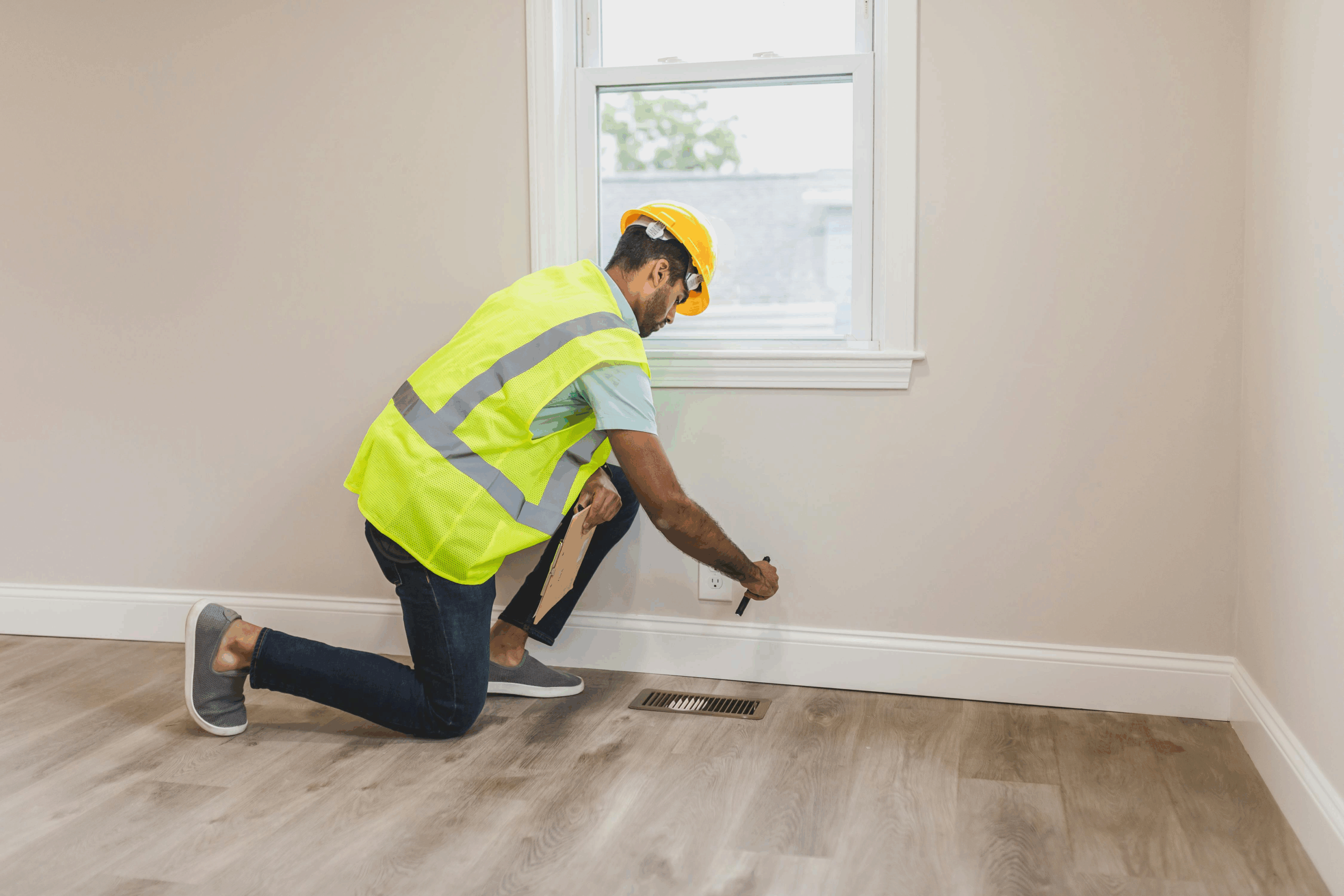
Start by inspecting your basement walls, floors, and windows. Look for water stains, musty odors, cracks, and mold. A professional contractor can use moisture meters and infrared cameras to detect hidden water issues.2. Choosing a Waterproofing Strategy
Your solution will depend on your home’s layout and level of risk. In general, there are three approaches:- Interior waterproofing: Addresses water that has already entered, using drainage systems, sealants, and sump pumps.
- Exterior waterproofing: Stops water before it enters by sealing the foundation and redirecting water away from the home.
- Hybrid systems: Combine interior and exterior methods for full protection.
3. Excavation and Membrane Application (for Exterior Waterproofing)
If an exterior approach is chosen, contractors will excavate around your foundation to apply a waterproof membrane. This is one of the most effective long-term solutions. It involves applying sealants to the outer walls, installing a drainage board, and adding a French drain system to redirect water away from the foundation.4. Installing Interior Drainage and Sump Pump
Interior drainage involves cutting a trench along the perimeter of your basement floor, inserting a perforated pipe, and connecting it to a sump pump system. The sump pump collects water and pumps it away from the home’s foundation. Backup power sources are essential during hurricanes, especially when electricity may fail.5. Sealing Cracks and Applying Waterproof Coatings
Finally, interior wall and floor cracks are sealed using epoxy injections or polyurethane foam. Waterproof coatings or masonry sealants are then applied to add an extra layer of protection.Common Signs Your Basement Needs Waterproofing
Even if your basement seems dry most of the time, subtle signs of moisture intrusion can indicate serious underlying issues. These warning signs often go unnoticed until a major storm strikes – by then, the damage is costly and difficult to reverse.Persistent Musty Odors or Mold Growth
A damp, earthy smell is often the first indicator of excess moisture in the basement. If you spot any visible mold or mildew, especially around baseboards, windows, or in corners, it’s a clear sign that water is seeping in and creating a breeding ground for harmful fungi.Efflorescence on Basement Walls
Notice a white, powdery substance forming on concrete or brick walls? That’s efflorescence – a mineral residue left behind when water evaporates. While it may seem harmless, it’s a key indicator that water is passing through your walls.Cracks in the Foundation or Walls
Small hairline cracks might not seem alarming, but they can quickly widen and become major water entry points – especially under the pressure of hurricane-season rains. These cracks can also signal foundational shifts caused by saturated soil.Standing Water or Puddles After Rainstorms
Even small pools of water in the basement after rain are a red flag. This typically indicates groundwater intrusion or poor drainage, both of which worsen during hurricane events and can lead to full-blown basement flooding.Peeling Paint, Bubbling Wallpaper, or Damp Drywall
If paint is flaking or drywall feels soft to the touch, water has already started to deteriorate interior materials. Left untreated, this can cause structural degradation and invite mold infestations.Key Components of a Waterproofing System
| Component | Purpose | Best Used For |
| Sump Pump | Removes water collected from drainage systems | Homes located in areas with a high water table |
| French Drain | Redirects groundwater away from the foundation | Effective for exterior drainage and waterproofing |
| Waterproof Membrane | Prevents moisture from penetrating basement walls | Ideal for long-term exterior waterproofing |
| Interior Sealants | Blocks minor seepage and reduces humidity | Cost-effective supplemental moisture protection |
| Backup Battery | Powers sump pump during electrical outages | Crucial during storms or power failures |
Benefits of Basement Waterproofing in Houston
- Prevents Mold and Mildew Growth: Moisture fosters harmful mold that can damage your belongings and health.
- Protects Structural Integrity: Water intrusion weakens foundations and walls, leading to dangerous shifts or settling.
- Improves Air Quality: A dry basement reduces allergens and odors circulating through your HVAC system.
- Enhances Property Value: Buyers see a waterproofed basement as a major advantage.
- Reduces Emergency Repair Costs: Proactive waterproofing prevents thousands of dollars in damage after a storm.
Expert Maintenance Tips
- Regularly test your sump pump, especially before storm season.
- Clean gutters and ensure downspouts direct water away from the home.
- Inspect basement walls and floors every six months for signs of new cracks or water stains.
- Ensure the soil grading slopes away from the home to prevent pooling around the foundation.
- Schedule a professional inspection annually for peace of mind.
Final Thoughts
Basement waterproofing is one of the most important home improvement decisions you can make – especially in a city like Houston where hurricane threats are real and frequent. With expansive clay soils, high rainfall, and seasonal floods, Houston homes are highly vulnerable to water intrusion and foundational damage. Investing in professional waterproofing today means avoiding expensive emergency repairs tomorrow. It enhances your home’s durability, safety, and resale value, offering protection that truly pays off in the long run.Frequently Asked Questions
Costs can range from $3,000 to $10,000, depending on the method. Interior systems like sump pumps are generally more affordable, while exterior excavation and membrane installation are more expensive but offer longer-term solutions.
Late spring to early summer is ideal because the ground is drier, which makes excavation and membrane application easier and more effective.
While small projects like applying waterproof paint or sealing visible cracks can be DIY, comprehensive systems like French drains and sump pumps should be handled by professionals to ensure long-term effectiveness.
Absolutely. Especially in flood-prone areas like Houston, waterproofing saves money, prevents structural damage, and enhances your home’s resale value.
Professional waterproofing systems typically last 10–25 years, depending on materials used and maintenance. Sump pumps generally need to be replaced every 5–7 years.